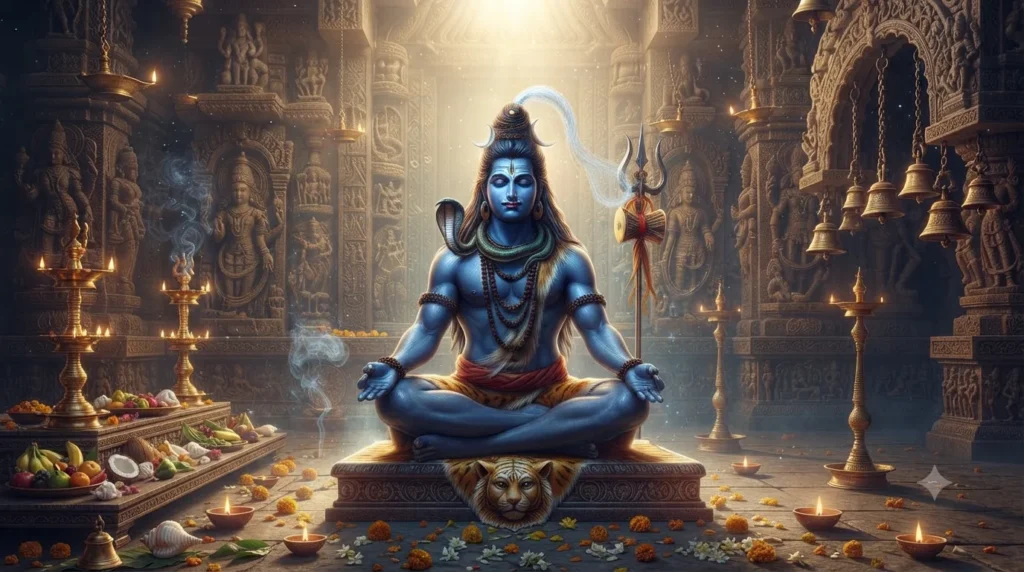
Mahakal Chalisa Meaning – Simple English Meaning of All Chaupais
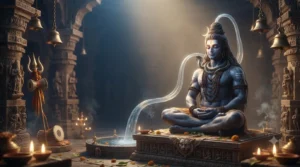
The meaning of Mahakal Chalisa (Mahakal Chalisa Meaning) helps devotees understand the glory of Lord Shiva in His Mahakal form in simple language. It describes the different forms of Lord Mahakal, His divine qualities, the glory of Shiva and Shakti, and His blessings upon devotees.
Along with reciting the Mahakal Chalisa with devotion, understanding the meaning of each line helps devotees connect more deeply with its spiritual message and devotional sentiments.
Meaning of the Opening Doha of Mahakal Chalisa
Shri Mahakal Bhagwan Ki Mahima Aparampaar,
Poori Karte Kaamna Bhakton Ki Kartaar.
Vidya-Buddhi-Tej-Bal-Doodh-Poot-Dhan-Dhaan,
Apne Akshay Kosh Se Bhagwan Karo Pradaan.
Simple English Meaning
O Lord Mahakal! Your glory is infinite and beyond description. You are the protector and sustainer of Your devotees. Devotees pray to You for blessings of knowledge, wisdom, radiance, strength, children, wealth, and prosperity, which are essential aspects of life.
Spiritual Meaning
In this Doha, the devotee expresses deep faith in Lord Mahakal and prays for His blessings in the form of knowledge, strength, happiness, and prosperity.
Meaning of All the Chaupais of Mahakal Chalisa
Jai Mahakal Kaal Ke Naashak. Jai Trilokpati Moksha Pradaayak.
Simple Meaning:
O Mahakal! You are the Lord even of time and death. You are worshipped as the supreme ruler of the three worlds and the giver of liberation. The devotee bows before You and seeks spiritual freedom.
Mrityunjay Bhavbaadha Haari. Shatrujay Karo Vijay Hamaari.
Simple Meaning:
O Mrityunjaya, the conqueror of death! You are worshipped as the remover of worldly suffering and difficulties. The devotee prays for Your blessings to overcome difficult circumstances and opposing forces.
Aakash Mein Taarak Lingam. Paatal Mein Haatkeshwaram.
Simple Meaning:
This line remembers the different sacred forms of Lord Shiva represented through Shiva Lingams. It expresses the belief that the divine presence of Lord Shiva extends throughout different realms of existence and sacred places.
Bhoolok Mein Mahakaleshwaram. Satyam-Shivam Aur Sundaram.
Simple Meaning:
On Earth, Lord Shiva is worshipped in His Mahakaleshwar form. He is remembered as the divine embodiment of truth, auspiciousness, and beauty.
Kshipra Tat Ookhar Shiv Bhoomi. Mahakal Van Paavan Bhoomi.
Simple Meaning:
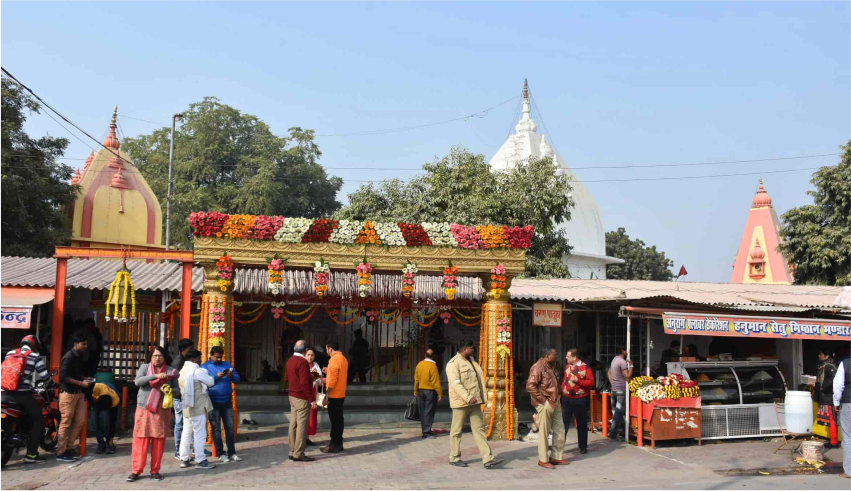
The sacred land of Ujjain, situated on the banks of the River Kshipra, is remembered as the holy abode of Lord Mahakal. Mahakal Van is also regarded as a sacred region associated with Lord Shiva.
Aashutosh Bhole Bhandari. Nataraj Baaghambar Dhaari.
Simple Meaning:
Lord Shiva is known as Aashutosh, meaning the One who is easily pleased. He is also worshipped as Bholenath and Bhandari. In His Nataraja form, He is the Lord of the divine dance and is depicted wearing tiger skin.
Srishti Ko Praarambh Karaate. Kaalchakra Ko Aap Chalaate.
Simple Meaning:
Lord Mahakal is remembered as the supreme divine power associated with creation and the universal order of time. The cycle of time continues endlessly, and Lord Shiva is worshipped as its supreme master.
Teerth Avanti Mein Hain Baste. Darshan Karte Sankat Harte.
Simple Meaning:
Avanti, another name associated with Ujjain, is remembered as the sacred city of Lord Mahakal. Devotees pray that by having His darshan and remembering Him with faith, their difficulties and troubles may be removed.
Vish Peekar Shiv Nirbhay Karte. Neelkanth Mahakal Kahaate.
Simple Meaning:
During the Samudra Manthan, Lord Shiva consumed the deadly poison to protect the universe. As a result, His throat turned blue, and He became known as Neelkanth. This episode symbolizes His sacrifice and concern for the welfare of all creation.
Mahadev Ye Mahakal Hain. Nirakaar Ka Roop Dhare Hain.
Simple Meaning:
Mahakal is the divine form of Lord Mahadev Himself. He represents the supreme reality, which is regarded as formless, yet devotees also worship Him in various visible forms.
Jyotirmay-Ishaan Adhishwar. Param Brahm Hain Mahakaleshwar.
Simple Meaning:
Lord Mahakaleshwar is praised as the radiant, supreme, and all-powerful divine presence. He is associated with the supreme reality known as Param Brahman.
Aadi Sanatan-Swayam Jyotishwar. Mahakal Prabhu Hain Sarveshwar.
Simple Meaning:
Lord Mahakal is regarded as eternal, primordial, and self-illuminating. He is worshipped as Sarveshwar, the Supreme Lord of all.
Jai Mahakal Maheshwar Jai-Jai. Jai Harsiddhi Maheshwari Jai-Jai.
Simple Meaning:
This line celebrates the glory of Lord Mahakal and Goddess Harsiddhi. Both hold special religious significance in the spiritual traditions of Ujjain.
Shiv Ke Saath Shiva Hai Shakti. Bhakton Ki Hai Raksha Karti.
Simple Meaning:
This line remembers Goddess Shakti alongside Lord Shiva. Shiva and Shakti are regarded as complementary aspects of the same divine reality. Shakti is worshipped as the divine energy that protects devotees.
Jai Nageshwar-Saubhagy eshwar. Jai Bhole Baba Siddheshwar.
Simple Meaning:
This line praises Lord Shiva through His various sacred names and forms. The devotee respectfully bows to Shiva in His Nageshwar, Saubhagyeshwar, and Siddheshwar forms.
Rinmukteshwar-Swarna Jaleshwar. Aruneshwar Baba Yogeshwar.
Simple Meaning:
This line remembers different forms of Lord Shiva. The devotee offers prayers to the Lord as Rinmukteshwar, Swarna Jaleshwar, Aruneshwar, and Yogeshwar.
Panch-Asht-Dwadash Lingon Ki. Mahima Sabse Nyaari Inki.
Simple Meaning:
This Chaupai remembers the glory of various sacred forms of Shiva Lingams. The Shiva Lingam is worshipped as a sacred representation of the divine presence of Lord Shiva.
Shrikar Gop Ko Darshan De Taari. Nand Baba Ki Peedhiyan Saari.
Simple Meaning:
This line expresses the belief in the Lord’s grace towards His devotees and the blessings received through His divine darshan. The Lord is regarded as one who blesses His devotees and makes their lives spiritually meaningful.
Bhakt Chandrasen Raja Sharan Aaye. Vijayi Kara Ripu-Mitra Banaaye.
Simple Meaning:
This line recalls King Chandrasen, who sought refuge in Lord Mahakal. The Lord protected His devotee and became glorified as the divine protector who grants victory during difficult circumstances.
Daitya Dooshan Bhasm Kiye. Aur Bhakton Se Mahakal Kahaaye.
Simple Meaning:
According to the Puranic legend associated with Ujjain, Lord Shiva destroyed the demon Dushan. This episode is traditionally connected with the glory and manifestation of Lord Mahakal.
Dusht Daitya Andhak Jab Aaya. Matrikaon Se Nasht Karaaya.
Simple Meaning:
This line recalls the story of Andhakasura. In the legends associated with Lord Shiva and His divine Shakti, the destruction of evil forces represents the protection of righteousness.
Jagajjanani Hain Maa Giri Tanaya. Shri Bholeshwar Ne Maan Badhaaya.
Simple Meaning:
Goddess Parvati, the daughter of the Himalayas, is worshipped as Jagajjanani, the Mother of the Universe. The relationship between Lord Shiva and Goddess Parvati represents the divine unity of Shiva and Shakti.
Shri Hari Ki Tarjani Se Har-Har. Kshipra Bhi Laaye Gangadhar.
Simple Meaning:
This line remembers Lord Shiva in His Gangadhar form and the religious significance associated with sacred rivers. The presence of the River Ganga in Lord Shiva’s matted locks is one of the most important symbols of His divine form.
Amritmay Paavan Jal Paaya. ‘Rishi’ Devons Ne Punya Badhaaya.
Simple Meaning:
Sacred water is regarded as a symbol of purity and spiritual merit. This line remembers the importance of holy water and the religious significance associated with sages and celestial beings.
Namah Shivaya Mantra Panchakshari. Inka Mantra Bada Bhayahaari.
Simple Meaning:
“Namah Shivaya” is the famous Panchakshari Mantra of Lord Shiva. Devotees chant this sacred mantra with faith and remember the Lord while praying for freedom from fear and for inner peace.
Jiske Jap Se Mitti Saari. Chinta-Klesh-Vipad Sansari.
Simple Meaning:
Chanting Lord Shiva’s mantra with devotion is traditionally believed to help calm the mind and improve concentration. During worries, suffering, and difficult situations, devotees remember Lord Shiva and seek His blessings.
Sir Jata-Joot-Tan Bhasm Sajai. Dam Dam Damru Trishool Sajai.
Simple Meaning:
This Chaupai describes the divine appearance of Lord Shiva. His matted locks, sacred ash covering His body, Damru, and Trishul are important symbols of renunciation, power, and divinity.
Shamshan Vihari Bhootpati. Vishdhar Dhaari Jai Umapati.
Simple Meaning:
Lord Shiva is remembered as the One who dwells in cremation grounds, the Lord of spirits, and the divine bearer of serpents. These aspects represent His fearless, detached, and divine nature.
Rudraksh Vibhushit Shivshankar. Tripund Vibhushit Pralayankar.
Simple Meaning:
Lord Shiva wears Rudraksha beads and bears the sacred Tripund on His forehead. Rudraksha and Tripund are regarded as important symbols of devotion, meditation, penance, and renunciation.
Sarvashaktimaan-Sarv Gunadhaar. Sarvagya-Sarvopari-Jagdishwar.
Simple Meaning:
Lord Shiva is praised as the Almighty, the foundation of all virtues, the all-knowing supreme being, and the Lord of the entire universe.
Anaadi-Anant-Nitya-Nirvikaari. Mahakal Prabhu-Rudra-Avataari.
Simple Meaning:
Lord Mahakal is described as beyond beginning and end, eternal, and unchanging. His Rudra form symbolizes the destruction of unrighteousness and negative forces.
Dhaata-Vidhaata-Aj-Avinaashi. Mrityu Rakshak Sukharashi.
Simple Meaning:
Lord Shiva is remembered as the foundation of creation and the imperishable supreme reality. Devotees worship Him as the protector who helps them overcome the fear of death and seek divine happiness and well-being.
Tridal-Trinetra-Tripund-Trishooldhar. Trikaay-Trilokpati Mahakaleshwar.
Simple Meaning:
This Chaupai describes several sacred symbols associated with Lord Shiva. His three eyes, Tripund, and Trishul are well-known aspects of His divine appearance. Mahakaleshwar is praised as the Lord of the three worlds.
Tridev-Trayi Hain Ekeeshwar. Nirakaar Shiv Yogeshwar.
Simple Meaning:
Lord Shiva is remembered as the supreme divine reality representing ultimate oneness. He is formless and is worshipped as Yogeshwar, the Lord of Yoga, meditation, penance, and spiritual wisdom.
Ekaadash-Praan-Apaan-Vyaan. Udaan-Naag-Koorm-Krikal Samaan.
Simple Meaning:
This Chaupai mentions various vital energies traditionally described in the human body. Lord Shiva is remembered in association with the subtle life energies and vital forces that sustain existence.
Devdatt Dhananjay Rahen Prasann. Man Ho Ujjwal Jab Karen Dhyan.
Simple Meaning:
This line connects the vital energies with meditation upon Lord Shiva. Meditating on Shiva inspires devotees to develop a calm, focused, and enlightened mind.
Aghor-Aashutosh-Jai Audhardaani. Abhishek Priya Shri Vishweshwar Dhyaani.
Simple Meaning:
Lord Shiva is known as Aghor, Aashutosh, and Audhardani. He is believed to be easily pleased and compassionate towards His devotees. Offering water to Lord Shiva through Abhishek is one of the important traditions of Shiva worship.
Kalyaanmay-Anand Swaroop Shashi Shekhar. Shri Bhole Shankar Jai Mahakaleshwar.
Simple Meaning:
Lord Shiva, who wears the Moon on His forehead, is the embodiment of auspiciousness and bliss. The devotee respectfully offers prayers to Bholenath and Mahakaleshwar.
Pratham Poojya Shri Ganesh Hain, Riddhi-Siddhi Sang. Devons Ke Senapati, Mahaveer Skand.
Simple Meaning:
This line remembers Lord Ganesha and Lord Skanda, also known as Kartikeya. Lord Ganesha is worshipped as the first deity to be invoked, while Lord Skanda is revered as the commander of the celestial army.
Annapurna Maa Parvati, Jag Ko Deti Ann. Mahakal Van Mein Base, Mahakal Ke Sang.
Simple Meaning:
Goddess Parvati is worshipped as Annapurna, the divine Mother who provides nourishment to the world. The presence of Lord Shiva and Goddess Parvati together symbolizes the divine unity of Shiva and Shakti.
Meaning of the Closing Dohas of Mahakal Chalisa
Shiv Kahen Jag Ram Hain, Ram Kahen Jag Shiv, Dhanya-Dhanya Maa Sharada, Aisi Hi Do Preet.
Simple English Meaning
This line expresses the love and spiritual unity between Lord Shiva and Lord Rama. The devotee prays to Goddess Sharada to bless everyone with such pure devotion, affection, and divine love.
Shri Mahakal Chalisa, Prem Se, Nitya Kare Jo Paath, Kripa Mile Mahakal Ki, Siddh Hoy Sab Kaaj.
Simple English Meaning
A devotee who regularly recites the Mahakal Chalisa with love and faith seeks the blessings of Lord Mahakal. The devotee prays that, through the Lord’s grace, all righteous and auspicious tasks may be completed successfully.
Overall Meaning of Mahakal Chalisa
The entire Mahakal Chalisa describes the glory of Lord Shiva in His Mahakal form. He is remembered through many divine names, including Mahakal, Maheshwar, Neelkanth, Aashutosh, Bholenath, Yogeshwar, Vishweshwar, and Trilokpati.
The Chalisa describes the divine appearance of Lord Shiva, His sacred symbols, the glory of Shiva and Shakti, and religious legends associated with Mahakaleshwar in Ujjain.
Its central message is that devotees should seek refuge in Lord Mahakal and remember Him with faith, devotion, and complete surrender.
Spiritual Lessons from Mahakal Chalisa
The Mahakal Chalisa is not merely a hymn of praise to Lord Shiva. It also offers several spiritual lessons to devotees.
Courage to Overcome Fear
Remembering Mahakal inspires devotees to maintain courage, patience, and strength during difficult circumstances.
Sacrifice and Detachment
The sacred ash, matted locks, Rudraksha beads, and cremation-ground imagery associated with Lord Shiva remind devotees of the temporary nature of worldly life and the importance of spiritual detachment.
Unity of Shiva and Shakti
The remembrance of Lord Shiva and Goddess Parvati represents the divine unity of Shiva and Shakti, who are regarded as complementary aspects of the supreme divine power.
Devotion and Surrender
The central message of the Chalisa is to develop faith, devotion, and a feeling of complete surrender to the Divine.
How to Recite Mahakal Chalisa After Understanding Its Meaning
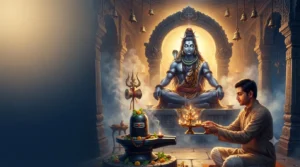
First, sit in a clean and peaceful place. Meditate upon Lord Shiva according to your faith and personal worship tradition. If it is part of your regular worship practice, you may light a lamp and offer water to the Lord.
Then recite the Mahakal Chalisa and try to understand the meaning and spiritual feeling expressed in each line. After completing the recitation, bow before Lord Mahakal and pray for the well-being of yourself and your family.
Read the Complete Mahakal Chalisa Here
If you wish to learn about the appropriate time, method, and rules for reciting the Chalisa:
Learn the Rules for Reciting Mahakal Chalisa Here
Frequently Asked Questions About Mahakal Chalisa Meaning
What is the meaning of Mahakal Chalisa?
The meaning of Mahakal Chalisa explains the glory of Lord Shiva in His Mahakal form, His various divine names and appearances, and His benevolent nature towards devotees in simple language.
Whom does the Mahakal Chalisa praise?
The Mahakal Chalisa primarily praises Lord Shiva in His Mahakal form. It also remembers Mahadev, Neelkanth, Aashutosh, Yogeshwar, and other divine forms of Lord Shiva.
Should I understand the meaning of Mahakal Chalisa before reciting it?
Understanding the meaning is not compulsory. However, reading the Chalisa with an understanding of its meaning can help devotees connect more deeply with its devotional sentiments and the glory of Lord Shiva.
When should Mahakal Chalisa be recited?
The Mahakal Chalisa can be recited on any day according to one’s faith and convenience. Mondays, the holy month of Shravan, and Maha Shivaratri are especially associated with the worship of Lord Shiva.
How many times should Mahakal Chalisa be recited?
For regular devotional worship, the Chalisa may be recited once. For a specific religious vow or spiritual practice, it is appropriate to follow the guidance of one’s Guru tradition or religious customs.
What are the benefits of reciting Mahakal Chalisa?
According to religious belief, devotion to Lord Mahakal can inspire faith, peace of mind, and inner strength. These spiritual benefits should not be interpreted as guaranteed medical or scientifically established results.
Conclusion
Understanding the Mahakal Chalisa Meaning makes it easier to appreciate the glory of Lord Shiva in His Mahakal form, His various divine names, and the religious sentiments expressed throughout the Chalisa.
The Mahakal Chalisa should be recited with faith, devotion, and a peaceful mind. Praying to Lord Mahakal for wisdom, peace, courage, and the well-being of one’s family is the beautiful essence of this devotional practice.
Jai Shri Mahakal.
Har Har Mahadev.