Shri Ram Chalisa is a sacred devotional hymn dedicated to Lord Shri Ram. It describes the glory, devotion, and ideals of Lord Rama, who is revered as Maryada Purushottam, the ideal man and the embodiment of truth, righteousness, compassion, and duty.
In Hinduism, worshipping Lord Rama and remembering His divine name hold great spiritual significance. According to religious beliefs, reciting Shri Ram Chalisa with faith and devotion brings peace of mind, positive thoughts, and spiritual strength.
In this article, you can read the complete Shri Ram Chalisa in English letters, along with its meaning, the significance of Lord Shri Ram, the worship method, the benefits of recitation, and important information related to devotion to Lord Rama.
Shri Ram Chalisa – Complete Lyrics in English
॥ Doha ॥
Aadau Raam Tapovanadi Gamanam Hatvaah Mrigaa Kaanchanam
Vaidehi Haranam Jataayu Maranam Sugreev Sambhaashanam.
Baali Nirdalam Samudra Taranam Lankapuri Daahanam
Pashchadraavanam Kumbhakarnam Hananam Etaddhi Raamaayanam.
॥ Chaupai ॥
Shri Raghubeer Bhakt Hitkaari. Suni Leejai Prabhu Araj Hamaari.
Nishi Din Dhyaan Dharai Jo Koi. Taa Sam Bhakt Aur Nahi Hoi.
Dhyaan Dharen Shivji Man Maahi. Brahma, Indra Paar Nahi Paahi.
Doot Tumhaar Veer Hanumaana. Jaasu Prabhaav Tihun Pur Jaana.
Jai, Jai, Jai Raghunaath Kripaala. Sadaa Karo Santan Pratipaala.
Tuv Bhujdand Prachand Kripaala. Raavan Maari Suran Pratipaala.
Tum Anaath Ke Naath Gosaain. Deenan Ke Ho Sadaa Sahaai.
Brahmaadik Tav Paar Na Paavain. Sadaa Eesh Tumharo Yash Gaavain.
Chaariu Bhed Bharat Hain Saakhi. Tum Bhaktan Ki Lajja Raakhi.
Gun Gaavat Shaarad Man Maahi. Surpati Taako Paar Na Paahin.
Naam Tumhaar Let Jo Koi. Taa Sam Dhanya Aur Nahi Hoi.
Raam Naam Hai Aparampaara. Chaarihu Vedan Jaahi Pukaara.
Ganpati Naam Tumhaaro Leenho. Tinko Pratham Poojya Tum Keenho.
Shesh Ratat Nit Naam Tumhaara. Mahi Ko Bhaar Sheesh Par Dhaara.
Phool Samaan Rahat So Bhaara. Paavat Koi Na Tumharo Paara.
Bharat Naam Tumharo Ur Dhaaro. Taason Kabahun Na Ran Mein Haaro.
Naam Shatrughan Hriday Prakaasha. Sumirat Hot Shatru Kar Naasha.
Lakhan Tumhaare Aagyaakaari. Sadaa Karat Santan Rakhvaari.
Taate Ran Jeete Nahin Koi. Yuddh Jure Yamahoon Kin Hoi.
Mahaalakshmi Dhar Avataara. Sab Vidhi Karat Paap Ko Chaara.
Seeta Raam Puneeta Gaayo. Bhuvaneshwari Prabhaav Dikhaayo.
Ghat Son Prakat Bhai So Aai. Jaako Dekhat Chandra Lajaai.
Jo Tumhare Nit Paanv Palotat. Navo Niddhi Charanan Mein Lotat.
Siddhi Athaarah Mangalkaari. So Tum Par Jaavai Balihaari.
Aurahu Jo Anek Prabhutaai. So Seetaapati Tumhin Banaai.
Ichchha Te Kotin Sansaara. Rachat Na Laagat Pal Ki Baara.
Jo Tumhare Charanan Chit Laavai. Taaki Mukti Avasi Ho Jaavai.
Sunahu Raam Tum Taat Hamaare. Tumhin Bharat Kul Poojya Prachaare.
Tumhin Dev Kul Dev Hamaare. Tum Guru Dev Praan Ke Pyaare.
Jo Kuchh Ho So Tumhin Raaja. Jai Jai Jai Prabhu Raakho Laaja.
Raam Aatma Poshan Haare. Jai Jai Jai Dashrath Ke Pyaare.
Jai Jai Jai Prabhu Jyoti Swaroopa. Nargun Brahra Akhand Anoopa.
Satya Satya Jai Satyavrat Swaami. Satya Sanaatan Antaryaami.
Satya Bhajan Tumharo Jo Gaavai. So Nishchay Chaaron Phal Paavai.
Satya Shapath Gauripati Keenhin. Tumne Bhaktihin Sab Sidhi Deenhin.
Gyaan Hriday Do Gyaan Swaroopa. Namo Namo Jai Jagpati Bhoopa.
Dhanya Dhanya Tum Dhanya Prataapa. Naam Tumhaar Harat Santaapa.
Satya Shuddh Devan Mukh Gaaya. Baji Dundubhi Shankh Bajaaya.
Satya Satya Tum Satya Sanaatan. Tum Hi Ho Hamre Tan-Man-Dhan.
Jaako Paath Kare Jo Koi. Gyaan Prakat Taake Ur Hoi.
Aavaagaman Mitai Tihi Kera. Satya Vachan Maane Shiv Mera.
Aur Aas Man Mein Jo Hoi. Manvaanchhit Phal Paave Soi.
Teenahun Kaal Dhyaan Jo Lyaavai. Tulsi Dal Aru Phool Chadhaavai.
Saag Patra So Bhog Lagaavai. So Nar Sakal Siddhata Paavai.
Ant Samay Raghubar Pur Jaai. Jahaan Janma Hari Bhakt Kahaai.
Shri Haridaas Kahai Aru Gaavai. So Baikunth Dhaam Ko Paavai.
॥ Doha ॥
Saat Divas Jo Nem Kar, Paath Kare Chit Laay.
Haridaas Hari Kripa Se, Avasi Bhakti Ko Paaya.
Raam Chaaleesa Jo Padhe, Raam Charan Chit Laay.
Jo Ichchha Man Mein Karai, Sakal Siddh Ho Jaay.
Shri Ram Chalisa – Complete Recitation and Simple Meaning
॥ Doha ॥
Aadau Raam Tapovanadi Gamanam Hatvaah Mrigaa Kaanchanam
Vaidehi Haranam Jataayu Maranam Sugreev Sambhaashanam.
Baali Nirdalam Samudra Taranam Lankapuri Daahanam
Pashchadraavanam Kumbhakarnam Hananam Etaddhi Raamaayanam.
Simple Meaning: This Doha describes the major events in the life of Lord Shri Rama. These include His departure for the forest, the golden deer episode, the abduction of Goddess Sita, the sacrifice of Jatayu, His friendship with Sugriva, the killing of Vali, crossing the ocean, the burning of Lanka, and the destruction of Ravana and Kumbhakarna.
॥ Chaupai ॥
Shri Raghubeer Bhakt Hitkaari. Suni Leejai Prabhu Araj Hamaari.
Simple Meaning: O Lord Shri Rama, You are the well-wisher of Your devotees. Please listen to our prayers and continue to shower Your blessings upon us.
Nishi Din Dhyaan Dharai Jo Koi. Taa Sam Bhakt Aur Nahi Hoi.
Simple Meaning: A person who meditates upon You day and night with complete devotion becomes one of Your most devoted followers.
Dhyaan Dharen Shivji Man Maahi. Brahma, Indra Paar Nahi Paahi.
Simple Meaning: Lord Shiva meditates upon You in His heart. Even divine beings such as Brahma and Indra cannot fully comprehend the limits of Your glory.
Doot Tumhaar Veer Hanumaana. Jaasu Prabhaav Tihun Pur Jaana.
Simple Meaning: The mighty Hanuman is Your messenger. His devotion, strength, and bravery are renowned throughout the three worlds.
Jai, Jai, Jai Raghunaath Kripaala. Sadaa Karo Santan Pratipaala.
Simple Meaning: Victory to You, compassionate Lord Raghunath! May You always protect saints and devotees.
Tuv Bhujdand Prachand Kripaala. Raavan Maari Suran Pratipaala.
Simple Meaning: O compassionate Lord, through Your immense strength, You defeated Ravana and protected the celestial beings from his tyranny.
Tum Anaath Ke Naath Gosaain. Deenan Ke Ho Sadaa Sahaai.
Simple Meaning: O Lord, You are the protector of the helpless and the eternal support of the poor and distressed.
Brahmaadik Tav Paar Na Paavain. Sadaa Eesh Tumharo Yash Gaavain.
Simple Meaning: Even Brahma and other divine beings cannot comprehend the full extent of Your greatness. All the gods continuously sing Your praises.
Chaariu Bhed Bharat Hain Saakhi. Tum Bhaktan Ki Lajja Raakhi.
Simple Meaning: This Chaupai presents the four Vedas as witnesses to Your greatness and praises You for protecting the honour and dignity of Your devotees. The precise meaning of the first line requires verification against the original source text.
Gun Gaavat Shaarad Man Maahi. Surpati Taako Paar Na Paahin.
Simple Meaning: Goddess Saraswati sings Your praises, yet Your glory remains beyond complete understanding. Even Indra, the king of the gods, cannot fully comprehend Your greatness.
Naam Tumhaar Let Jo Koi. Taa Sam Dhanya Aur Nahi Hoi.
Simple Meaning: Anyone who remembers Your name with devotion becomes truly blessed. Remembering Your divine name makes life spiritually pure.
Raam Naam Hai Aparampaara. Chaarihu Vedan Jaahi Pukaara.
Simple Meaning: The glory of Lord Rama’s name is infinite. The four Vedas also proclaim its greatness.
Ganpati Naam Tumhaaro Leenho. Tinko Pratham Poojya Tum Keenho.
Simple Meaning: This Chaupai refers to Lord Ganesha being the first deity to be worshipped. The precise meaning of the original line requires comparison with an authenticated version of the text.
Shesh Ratat Nit Naam Tumhaara. Mahi Ko Bhaar Sheesh Par Dhaara.
Simple Meaning: Sheshnag continuously remembers Your divine name while carrying the weight of the Earth upon His head.
Phool Samaan Rahat So Bhaara. Paavat Koi Na Tumharo Paara.
Simple Meaning: By Your divine power, even the heaviest burden appears as light as a flower. No one can fully comprehend the limits of Your greatness.
Bharat Naam Tumharo Ur Dhaaro. Taason Kabahun Na Ran Mein Haaro.
Simple Meaning: This Chaupai mentions Bharat. The precise connection between Bharat and victory in battle requires verification against the original source text.
Naam Shatrughan Hriday Prakaasha. Sumirat Hot Shatru Kar Naasha.
Simple Meaning: This Chaupai refers to Shatrughna and the destruction of enemies. Remembering the Lord inspires devotees to overcome evil and negativity.
Lakhan Tumhaare Aagyaakaari. Sadaa Karat Santan Rakhvaari.
Simple Meaning: Lakshmana always follows Your commands and remains dedicated to protecting saints and devotees.
Taate Ran Jeete Nahin Koi. Yuddh Jure Yamahoon Kin Hoi.
Simple Meaning: This Chaupai refers to battle and victory. The exact meaning of the second line requires verification against the original text.
Mahaalakshmi Dhar Avataara. Sab Vidhi Karat Paap Ko Chaara.
Simple Meaning: This Chaupai describes the incarnation of Mahalakshmi and the divine power that destroys sins. Its original context should be verified against the source text.
Seeta Raam Puneeta Gaayo. Bhuvaneshwari Prabhaav Dikhaayo.
Simple Meaning: This Chaupai praises the sacred glory of Sita and Rama and describes the divine greatness of Goddess Bhuvaneshwari.
Ghat Son Prakat Bhai So Aai. Jaako Dekhat Chandra Lajaai.
Simple Meaning: These lines describe the manifestation of the Divine Mother and Her incomparable beauty. Her radiance is said to be so enchanting that even the moon appears pale before it.
Jo Tumhare Nit Paanv Palotat. Navo Niddhi Charanan Mein Lotat.
Simple Meaning: A person who regularly serves Your feet becomes worthy of receiving the nine divine treasures. This Chaupai describes the greatness of serving the Lord and receiving His grace.
Siddhi Athaarah Mangalkaari. So Tum Par Jaavai Balihaari.
Simple Meaning: Even the eighteen auspicious spiritual accomplishments are devoted to Your glory. Through Your blessings, a devotee’s life becomes filled with auspiciousness.
Aurahu Jo Anek Prabhutaai. So Seetaapati Tumhin Banaai.
Simple Meaning: All the other powers and forms of prosperity in the universe are possible through the divine authority of Lord Rama, the consort of Goddess Sita.
Ichchha Te Kotin Sansaara. Rachat Na Laagat Pal Ki Baara.
Simple Meaning: Through Your divine will alone, countless universes can be created, and this does not take even a moment.
Jo Tumhare Charanan Chit Laavai. Taaki Mukti Avasi Ho Jaavai.
Simple Meaning: A person who focuses the mind upon Your divine feet becomes worthy of attaining liberation through Your grace.
Sunahu Raam Tum Taat Hamaare. Tumhin Bharat Kul Poojya Prachaare.
Simple Meaning: O Lord Rama, You are like a father to us and are revered by the entire lineage of Bharat and the Raghu dynasty.
Tumhin Dev Kul Dev Hamaare. Tum Guru Dev Praan Ke Pyaare.
Simple Meaning: You are our beloved deity and the most revered Lord of our family. You guide us like a spiritual teacher and are dearer to us than life itself.
Jo Kuchh Ho So Tumhin Raaja. Jai Jai Jai Prabhu Raakho Laaja.
Simple Meaning: O Lord, You are our supreme master and protector. Please preserve our honour and protect us from all difficulties.
Raam Aatma Poshan Haare. Jai Jai Jai Dashrath Ke Pyaare.
Simple Meaning: Lord Shri Rama is the source of nourishment and welfare for all living beings. Victory to Shri Rama, the beloved son of King Dasharatha!
Jai Jai Jai Prabhu Jyoti Swaroopa. Nargun Brahra Akhand Anoopa.
Simple Meaning: O Lord, You are the embodiment of divine light. This Chaupai describes You as the formless, indivisible, and incomparable Supreme Brahman.
Satya Satya Jai Satyavrat Swaami. Satya Sanaatan Antaryaami.
Simple Meaning: Victory to You, O Lord of the vow of truth! You are the eternal truth and the indwelling presence within all living beings.
Satya Bhajan Tumharo Jo Gaavai. So Nishchay Chaaron Phal Paavai.
Simple Meaning: A person who sings Your praises with a sincere heart becomes worthy of attaining the four goals of human life: Dharma, Artha, Kama, and Moksha.
Satya Shapath Gauripati Keenhin. Tumne Bhaktihin Sab Sidhi Deenhin.
Simple Meaning: This Chaupai invokes the oath of Lord Shiva and expresses the belief that You bless Your devotees with devotion and spiritual accomplishments.
Gyaan Hriday Do Gyaan Swaroopa. Namo Namo Jai Jagpati Bhoopa.
Simple Meaning: O Lord, embodiment of knowledge, illuminate our hearts with true wisdom. O Supreme Lord of the universe, we bow to You again and again.
Dhanya Dhanya Tum Dhanya Prataapa. Naam Tumhaar Harat Santaapa.
Simple Meaning: O Lord, Your divine glory is truly blessed. Remembering Your name helps devotees overcome sorrow, suffering, and distress.
Satya Shuddh Devan Mukh Gaaya. Baji Dundubhi Shankh Bajaaya.
Simple Meaning: The gods sang praises of Your pure and sacred glory and joyfully sounded divine drums and conch shells.
Satya Satya Tum Satya Sanaatan. Tum Hi Ho Hamre Tan-Man-Dhan.
Simple Meaning: You are the eternal and everlasting truth. You are the true foundation of our body, mind, and wealth.
Jaako Paath Kare Jo Koi. Gyaan Prakat Taake Ur Hoi.
Simple Meaning: Whoever recites this hymn with devotion experiences the growth of wisdom and understanding within the heart.
Aavaagaman Mitai Tihi Kera. Satya Vachan Maane Shiv Mera.
Simple Meaning: This Chaupai expresses the belief that the cycle of birth and death can come to an end through divine grace. The exact meaning of the second line requires verification against the original source text.
Aur Aas Man Mein Jo Hoi. Manvaanchhit Phal Paave Soi.
Simple Meaning: A devotee who sincerely places their wishes before the Lord prays to receive the desired results through His grace.
Teenahun Kaal Dhyaan Jo Lyaavai. Tulsi Dal Aru Phool Chadhaavai.
Simple Meaning: A devotee who remembers the Lord three times a day and offers sacred Tulsi leaves and flowers expresses sincere love and devotion.
Saag Patra So Bhog Lagaavai. So Nar Sakal Siddhata Paavai.
Simple Meaning: A person who lovingly offers even simple vegetables and leaves to the Lord receives His blessings. In devotion, the sincerity of the offering matters more than its material value.
Ant Samay Raghubar Pur Jaai. Jahaan Janma Hari Bhakt Kahaai.
Simple Meaning: This Chaupai expresses the wish that a devotee may reach the divine abode of Lord Rama at the end of life and be remembered as a devotee of the Lord.
Shri Haridaas Kahai Aru Gaavai. So Baikunth Dhaam Ko Paavai.
Simple Meaning: Shri Haridas says that whoever sings this devotional hymn with faith becomes worthy of receiving the Lord’s grace and attaining the divine abode of Vaikuntha.
॥ Doha ॥
Saat Divas Jo Nem Kar, Paath Kare Chit Laay.
Haridaas Hari Kripa Se, Avasi Bhakti Ko Paaya.
Simple Meaning: A person who follows a regular discipline and recites this hymn with concentration for seven days is believed to receive devotion through the grace of Lord Hari.
Raam Chaaleesa Jo Padhe, Raam Charan Chit Laay.
Jo Ichchha Man Mein Karai, Sakal Siddh Ho Jaay.
Simple Meaning: A person who recites Shri Ram Chalisa while keeping the mind focused on the divine feet of Lord Rama prays for the fulfilment of their wishes through His blessings.
Shri Ram Chalisa – Significance, Importance, Worship Method and Benefits
Introduction to Lord Shri Ram
Lord Shri Ram is one of the principal deities worshipped in Hinduism. He is revered as Maryada Purushottam, the ideal man who embodies righteousness, truth, sacrifice, love, and moral values. Lord Rama is regarded as the seventh incarnation of Lord Vishnu.
Throughout His life, Lord Rama followed the path of Dharma and upheld righteousness under every circumstance. For this reason, devotees worship Him as the ideal king, ideal son, and ideal human being.
Significance of Shri Ram Chalisa
Shri Ram Chalisa is a sacred devotional hymn dedicated to the worship and praise of Lord Shri Ram. It describes His divine nature, noble qualities, and blessings upon His devotees.
By reciting Shri Ram Chalisa, devotees express their faith and devotion towards Lord Rama. It also inspires people to follow the path of truth, righteousness, and good conduct in their daily lives.
Mythological Story of Lord Shri Ram
According to Hindu religious scriptures, Lord Shri Ram was born in Ayodhya to King Dasharatha and Queen Kaushalya. He protected sages and saints and destroyed evil forces to establish Dharma.
During His exile, Lord Rama faced many challenges. While living in the forest with Goddess Sita and His younger brother Lakshmana, He continued to uphold righteousness and fulfil His duties.
After Ravana abducted Goddess Sita, Lord Rama travelled to Lanka, defeated Ravana, and established the victory of righteousness over evil.
Divine Appearance of Lord Shri Ram
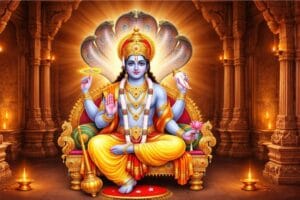
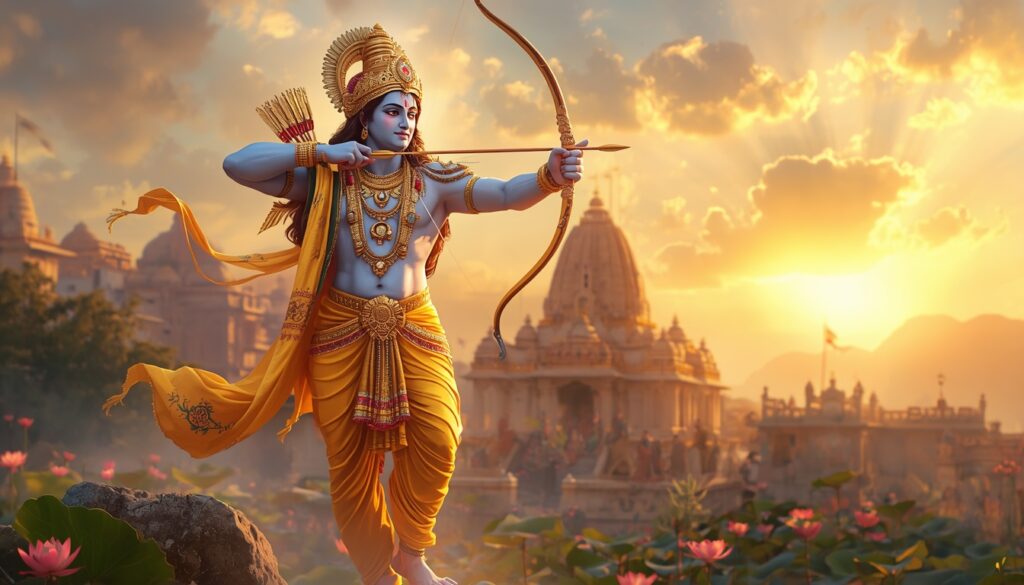
The divine appearance of Lord Shri Ram is regarded as a symbol of love, peace, and compassion.
In traditional religious paintings and images, Lord Rama is commonly depicted:
- Holding a bow and arrow in His hands.
- Wearing yellow garments.
- Accompanied by Goddess Sita, Lakshmana, and His devoted follower Hanuman.
The life of Lord Rama teaches us the importance of truth, patience, discipline, and fulfilling our responsibilities.
Benefits of Reciting Shri Ram Chalisa
According to traditional religious beliefs, reciting Shri Ram Chalisa with devotion is associated with the following benefits:
- It helps bring peace of mind.
- It encourages positive thoughts and spiritual energy.
- It gives devotees strength to face fear and anxiety.
- It encourages the development of good thoughts and values.
- It strengthens devotion to Lord Shri Ram.
- It inspires people to follow the path of truth and righteousness.
Worship Method of Lord Shri Ram
Follow these simple steps while worshipping Lord Shri Ram:
- Wake up in the morning, take a bath, and wear clean clothes.
- Place an image or idol of Lord Shri Ram in your place of worship.
- Light an oil lamp and incense sticks.
- Offer flowers to the Lord.
- Remember and chant the divine name of Lord Rama.
- Recite Shri Ram Chalisa with faith and devotion.
Mantra of Lord Shri Ram
Om Shri Raamaaya Namah॥
Chanting the divine name of Lord Rama is traditionally believed to bring peace of mind and strengthen devotion.
Significance of the Name of Lord Shri Ram
In the Sanatan tradition, the name of Lord Rama is considered extremely sacred. Devotees believe that remembering Lord Rama develops faith, patience, and positive thoughts in the mind.
The name of Rama is regarded as a symbol of devotion, love, and righteousness.
When Should You Recite Shri