Shiv Chalisa in English – Glory of Lord Shiva, Significance, Worship Method and Benefits
Shiv Chalisa in English is a popular devotional prayer dedicated to Lord Shiva, describing His divine glory, compassion, and spiritual qualities. In Hinduism, reciting the Shiv Chalisa is considered highly auspicious. Devotees regularly recite the Shiv Chalisa in English letters to seek the blessings of Lord Bholenath and pray for relief from life’s difficulties and challenges.
!! Shiv Chalisa !!
॥ Doha ॥
Jai Ganesh Girija Suvan, Mangal Mool Sujaan ।
Kahat Ayodhyadas Tum, Dehu Abhay Vardaan ॥
॥ Chaupai ॥
Jai Girija Pati Deen Dayala । Sada Karat Santan Pratipala ॥
Bhaal Chandrama Sohat Neeke । Kaanan Kundal Naagphani Ke ॥
Ang Gaur Shir Gang Bahaaye । Mundmaal Tan Kshaar Lagaaye ॥
Vastra Khaal Baaghambar Sohe । Chhavi Ko Dekhi Naag Man Mohe ॥ 4
Maina Maatu Ki Have Dulaari । Baam Ang Sohat Chhavi Nyaari ॥
Kar Trishool Sohat Chhavi Bhaari । Karat Sada Shatrun Kshaykaari ॥
Nandi Ganesh Sohai Tahan Kaise । Saagar Madhya Kamal Hain Jaise ॥
Kartik Shyaam Aur Ganraau । Ya Chhavi Ko Kahi Jaat Na Kaau ॥ 8
Devan Jabahin Jaay Pukaara । Tab Hi Dukh Prabhu Aap Nivaara ॥
Kiya Upadrav Taarak Bhaari । Devan Sab Mili Tumhin Juhaari ॥
Turat Shadaanana Aap Pathaayau । Lavanimesh Mahn Maari Giraayau ॥
Aap Jalandhar Asur Sanhaara । Suyash Tumhaar Vidit Sansara ॥ 12
Tripuraasur San Yuddh Machhaai । Sabahin Kripa Kar Leen Bachhaai ॥
Kiya Tapahin Bhaagirath Bhaari । Purab Pratigya Taasu Puraari ॥
Daanin Mahn Tum Sam Kou Naahi । Sevak Stuti Karat Sadaa Hi ॥
Ved Naam Mahima Tav Gaai । Akath Anaadi Bhed Nahin Paai ॥ 16
Prakati Udadh Manthan Mein Jwaala । Jarata Suraasur Bhae Vihaala ॥
Keenhi Daya Tahan Kari Sahaai । Neelkanth Tab Naam Kahaai ॥
Poojan Ramchandra Jab Keenhaa । Jeet Ke Lank Vibhishan Deenhaa ॥
Sahas Kamal Mein Ho Rahe Dhaari । Keenhi Pareeksha Tabahin Puraari ॥ 20
Ek Kamal Prabhu Raakheu Joi । Kamal Nayan Poojan Chahan Soi ॥
Kathin Bhakti Dekhi Prabhu Shankar । Bhae Prasann Diye Ichchhit Var ॥
Jai Jai Jai Anant Avinaashi । Karat Kripa Sab Ke Ghatvaasi ॥
Dusht Sakal Nit Mohi Sataavai । Bhramat Rahau Mohi Chain Na Aavai ॥ 24
Traahi Traahi Main Naath Pukaaro । Yehi Avasar Mohi Aan Ubaaro ॥
Lai Trishool Shatrun Ko Maaro । Sankat Se Mohi Aan Ubaaro ॥
Maat-Pita Bhraata Sab Hoi । Sankat Mein Poochhat Nahin Koi ॥
Swaami Ek Hai Aas Tumhaari । Aay Harahu Mam Sankat Bhaari ॥ 28
Dhan Nirdhan Ko Det Sada Hi । Jo Koi Jaanche So Phal Paahi ॥
Astuti Kehi Vidhi Karein Tumhaari । Kshamahu Naath Ab Chook Hamaari ॥
Shankar Ho Sankat Ke Naashan । Mangal Kaaran Vighn Vinaashan ॥
Yogi Yati Muni Dhyaan Lagaavein । Shaarad Naarad Sheesh Navaavein ॥ 32
Namo Namo Jai Namah Shivaay । Sur Brahmaadik Paar Na Paay ॥
Jo Yah Paath Kare Man Laai । Ta Par Hot Hai Shambhu Sahaai ॥
Riniyaan Jo Koi Ho Adhikaari । Paath Kare So Paavan Haari ॥
Putraheen Kar Ichchha Joi । Nishchay Shiv Prasaad Tehi Hoi ॥ 36
Pandit Trayodashi Ko Laave । Dhyaan Poorvak Hom Karaave ॥
Trayodashi Vrat Karai Hamesha । Taake Tan Nahin Rahai Kalesha ॥
Dhoop Deep Naivedya Chadhaave । Shankar Sammukh Paath Sunaave ॥
Janm Janm Ke Paap Nasaave । Ant Dhaam Shivpur Mein Paave ॥ 40
Kahain Ayodhyadas Aas Tumhaari । Jaani Sakal Dukh Harahu Hamaari ॥
॥ Doha ॥
Nitt Nem Kar Praatah Hi, Paath Karun Chaaleesa ।
Tum Meri Manokaamna, Poorn Karo Jagdeesh ॥
Magasar Chhathi Hemant Ritu, Samvat Chausath Jaan ।
Astuti Chaaleesa Shivahi, Poorn Keen Kalyaan ॥
Introduction to Lord Shiva
Lord Shiva is one of the principal deities in Hinduism. He is known by several names, including Mahadev, Bholenath, Shankar, Neelkanth, and Devon Ke Dev Mahadev.
Lord Shiva is regarded as the divine force representing preservation, destruction, and transformation in the universe.
Lord Shiva is believed to be easily pleased by the sincere devotion of His devotees. This is why He is lovingly known as Bholenath. Devotees worship Lord Shiva, chant His sacred mantras, and recite the Shiv Chalisa with faith and devotion to seek His blessings.
Significance of Shiv Chalisa
Shiv Chalisa is a sacred devotional prayer dedicated to the worship and praise of Lord Shiva. It describes His divine appearance, greatness, and compassion towards His devotees.
In the Shiv Chalisa, Lord Shiva is praised as the divine protector who:
- Removes the sorrows and sufferings of His devotees.
- Protects His devotees from difficulties and hardships.
- Fulfils the sincere wishes of His devotees.
- Works for the welfare and well-being of the universe.
Devotees particularly recite the Shiv Chalisa on Mondays, during Maha Shivaratri, and throughout the auspicious month of Sawan.
Divine Appearance of Lord Shiva
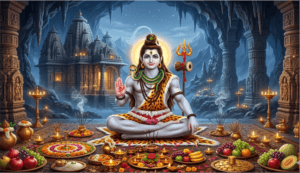
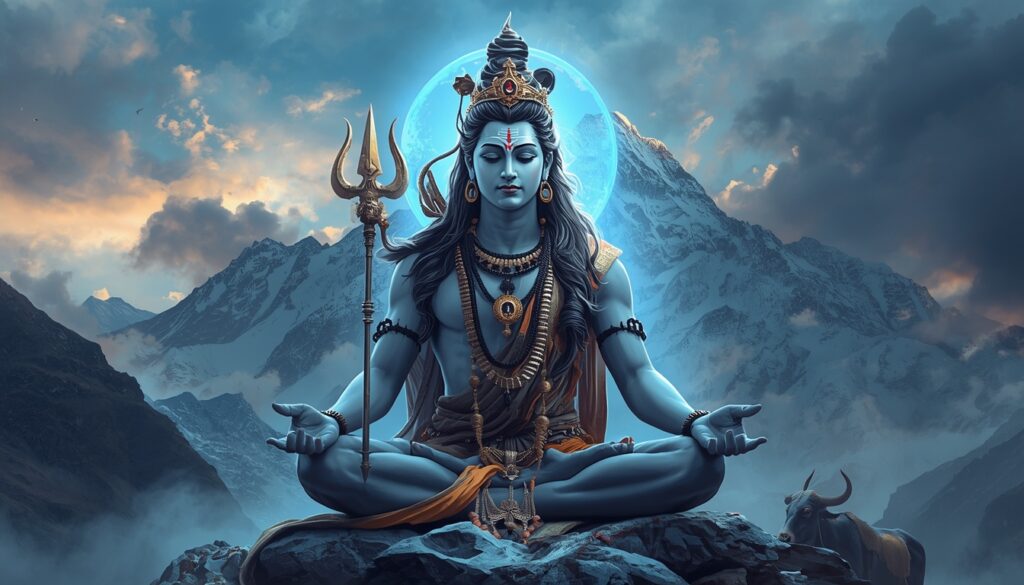
The divine appearance of Lord Shiva is considered extraordinary and spiritually significant.
According to traditional religious beliefs:
- The crescent moon adorns Lord Shiva’s head.
- The sacred River Ganga flows from His matted hair.
- A serpent is adorned around His neck.
- He holds a Trishul (trident) and a Damru (small two-headed drum) in His hands.
- His divine vehicle is Nandi, the sacred bull.
The divine appearance of Lord Shiva is regarded as a symbol of renunciation, penance, spiritual discipline, and divine power.
Mythological Story of Lord Shiva
According to Hindu mythology, Lord Shiva is eternal and infinite, without beginning or end.
During the Samudra Manthan (churning of the cosmic ocean), a deadly poison emerged that threatened the existence of the universe. To protect the world, Lord Shiva consumed the poison and held it in His throat.
As a result, His throat turned blue, and He came to be known as Neelkanth.
Lord Shiva has always been revered for His divine acts of protecting righteousness and truth and working for the welfare of the universe.
Benefits of Reciting Shiv Chalisa
According to traditional religious beliefs, reciting the Shiv Chalisa with sincere devotion is believed to offer several spiritual benefits:
- Brings peace and calmness to the mind.
- Helps reduce fear and anxiety.
- Encourages positive thoughts and energy in life.
- Helps devotees seek the blessings of Lord Shiva.
- Provides inner strength to face difficult situations.
- Supports spiritual growth and devotion.
Worship Method of Lord Shiva
Devotees can worship Lord Shiva by following these simple steps:
- Wake up in the morning, take a bath, and wear clean clothes.
- Offer water to the Shivling.
- Offer Bel Patra (Bilva leaves), flowers, and fruits.
- Light an oil lamp and incense sticks.
- Chant the sacred mantra Om Namah Shivaya.
- Recite the Shiv Chalisa with faith and devotion.
Mantra of Lord Shiva
Om Namah Shivaya॥
This is the famous Panchakshari Mantra of Lord Shiva. Devotees chant it with faith and devotion to seek His divine blessings.
When Should You Recite Shiv Chalisa?
Reciting the Shiv Chalisa is considered particularly auspicious on the following occasions:
- Every Monday.
- During Maha Shivaratri.
- Throughout the month of Sawan.
- During Pradosh Vrat.
- Every morning during daily worship.
Lord Shiva and Goddess Parvati
The relationship between Lord Shiva and Goddess Parvati is regarded as a symbol of love, trust, and devotion.
Goddess Parvati is the divine consort of Lord Shiva. Devotees worship them together and pray for happiness, harmony, and peace in family life.
Conclusion
The Shiv Chalisa is a simple and beautiful way to express devotion and worship Lord Bholenath. Lord Shiva is regarded as the embodiment of compassion, divine power, and universal welfare.
Devotees who recite the Shiv Chalisa with sincere faith and devotion often experience mental peace, greater confidence, and spiritual strength.
Har Har Mahadev!
Om Namah Shivaya!

 Download Free PDF