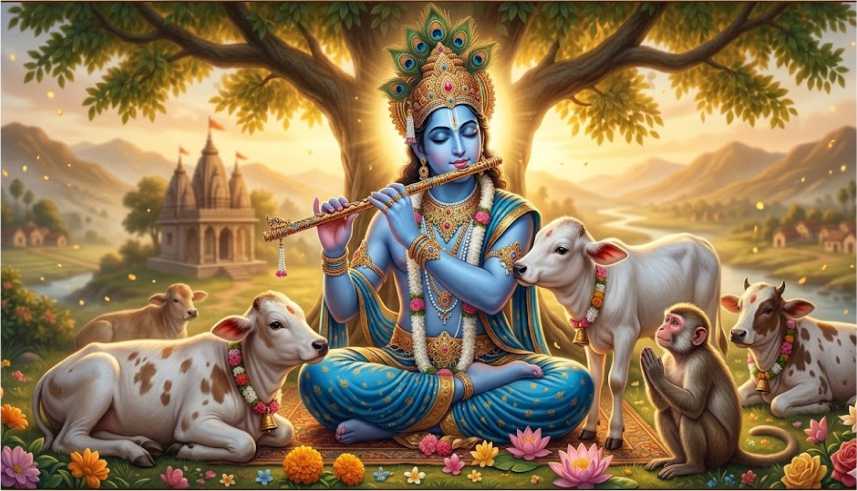
Lord Shri Krishna – His Birth, Divine Leelas, the Mahabharata, and the Spiritual Wisdom of Bhakti
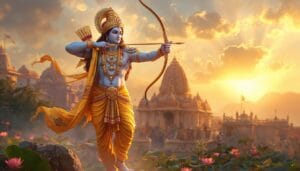
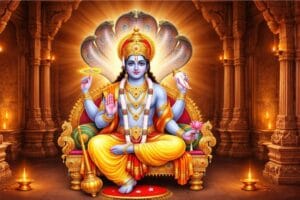
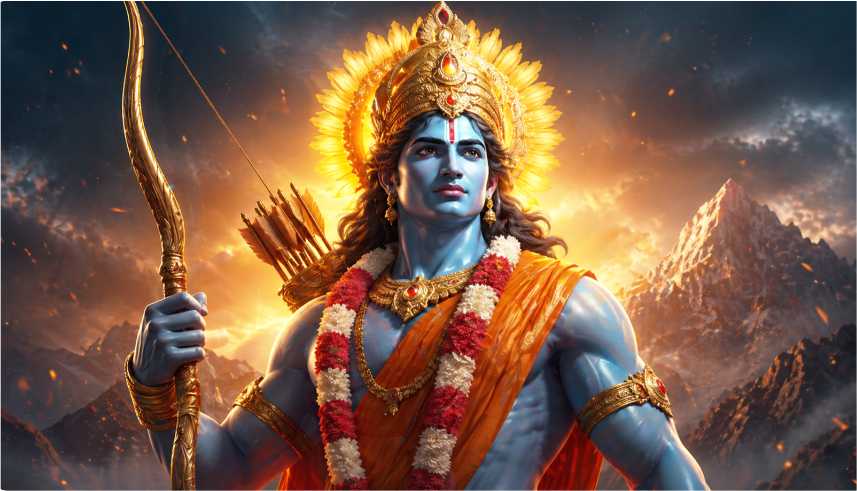
Lord Shri Krishna is one of the most revered and beloved deities in Hinduism. He is traditionally regarded as the eighth incarnation of Lord Shri Hari Vishnu, who descended to Earth to restore Dharma, destroy evil, and guide humanity towards the path of love, compassion, and devotion. Shri Krishna is considered the ultimate symbol of divine love, wisdom, righteousness, and devotion. At Bhakti Margdarshan, Lord Shri Krishna is understood as the divine guide who revealed the true meaning of life through Bhakti Yoga, Karma Yoga, Jnana Yoga, and the practice of Dharma.
Shri Krishna is one of the central figures of the Mahabharata, and throughout every stage of his life, he imparted profound spiritual teachings to humanity. His life is filled with divine leelas, miraculous events, divine love, and the restoration of righteousness.
The Divine Birth of Lord Shri Krishna
The birth of Lord Shri Krishna was not an ordinary event but part of a divine plan to guide humanity towards truth and righteousness. A prophecy had already foretold that the eighth child of Devaki and Vasudeva would bring an end to the tyrannical King Kansa. Fearing this prophecy, Kansa imprisoned his sister Devaki and her husband Vasudeva and began killing their children immediately after birth.
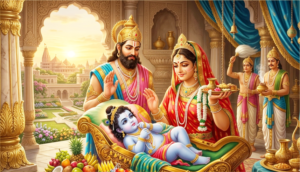
However, who can change what is destined by divine will? On the night Lord Shri Krishna was born, a series of extraordinary events took place. All the prison guards fell into a deep sleep, and the prison doors opened on their own. At that moment, a divine voice instructed Vasudeva to take the infant Krishna to Gokul and leave him in the care of Nanda Baba and Yashoda Maiya.
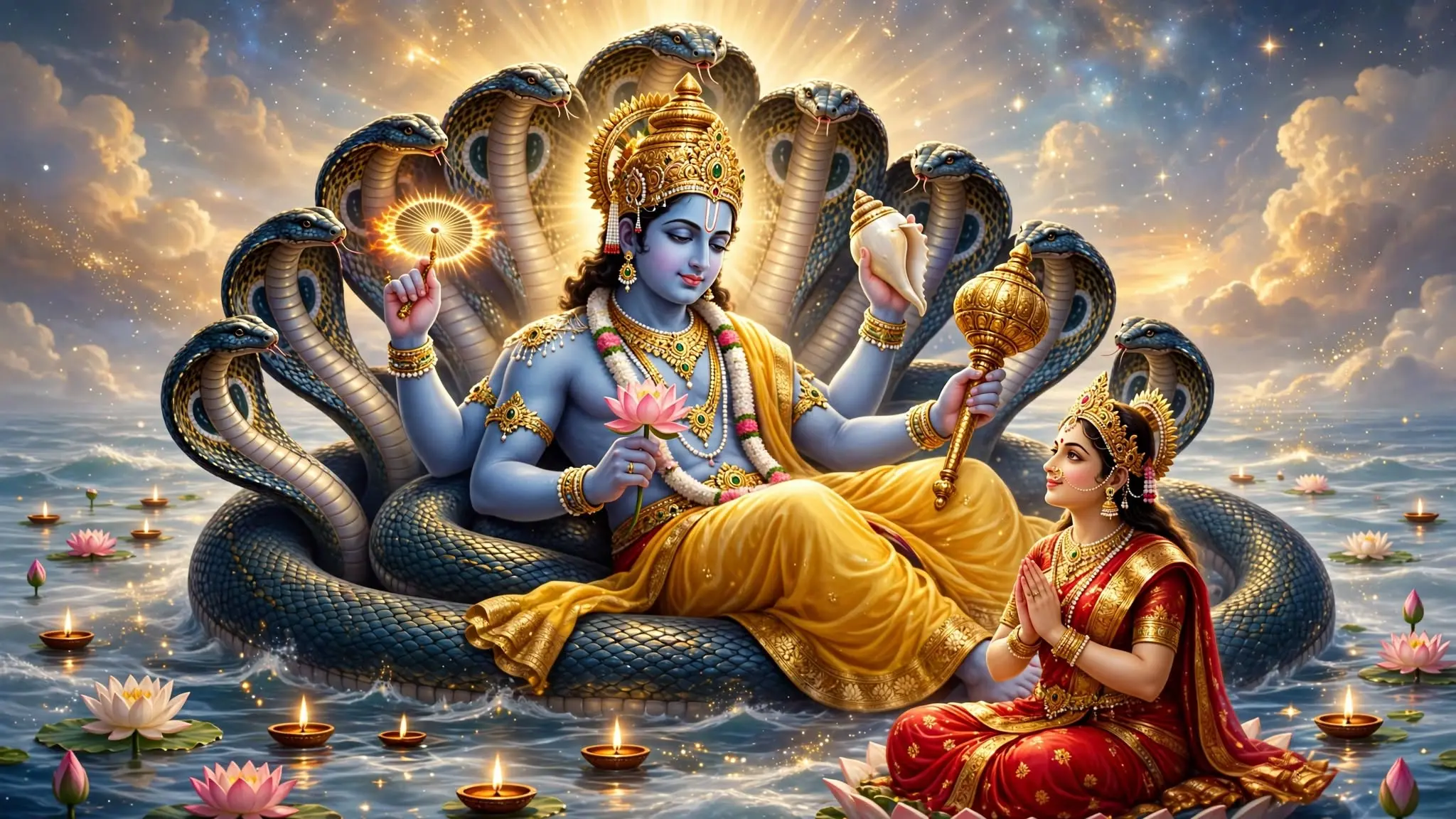
Amid heavy rainfall and a dark night, Vasudeva placed the infant Krishna in a basket and set out to cross the Yamuna River. At that time, Sheshnag protected the divine child by spreading his hoods over him, while Mother Yamuna parted to make way after touching the Lord’s feet. This remarkable event reflects the divine nature of Lord Shri Krishna.
When Vasudeva left Krishna in Gokul and returned to the prison with Yashoda’s newborn daughter, Kansa arrived to kill the infant. However, the girl assumed her divine form as Yogamaya and appeared in the sky, warning Kansa that the one destined to destroy him had already been born.
The Stories Behind the Many Names of Lord Shri Krishna
Lord Shri Krishna is known by many names, each associated with a special story and spiritual significance. Since his complexion was dark at birth, he became known as Shyam, Kanha, and Krishna. The word ‘Krishna’ is also understood to mean the one who attracts everyone towards himself.
As the son of Devaki, he is called Devakinandan. Because he was lovingly raised by Yashoda Maiya, he is also known as Yashodanandan and Yashoda Lala. As the son of Vasudeva, he is called Vasudeva, while the name Nandlal became popular because he grew up under the loving care of Nanda Baba. Being born into the Yadu dynasty, he is also associated with the Yadava lineage.
From his childhood, Shri Krishna was extremely playful and mischievous. He would enter the homes of the Gopis and steal butter, curd, and milk. Sometimes, he would even break their butter pots. Because of these playful activities, people lovingly began calling him Makhan Chor, meaning the Butter Thief. His enchanting smile and sweet nature also earned him the names Mohan and Manohar.
Because he protected and cared for cows, he became known as Gopal. The word ‘Go’ means cow, while ‘Pal’ means protector or caretaker.
Once, the waters of the Yamuna River became polluted by the poison of the serpent Kaliya. When young Krishna learned about this, he jumped into the river and defeated the mighty serpent Kaliya by dancing upon his hoods. This is regarded as one of the most famous divine leelas of Shri Krishna.
Similarly, when Lord Indra, overcome by pride, unleashed continuous rainfall upon Gokul, threatening to destroy the village, Lord Shri Krishna lifted Govardhan Hill on his little finger and protected all the residents of Gokul. Following this divine act, he became known as Govardhan Giridhari.
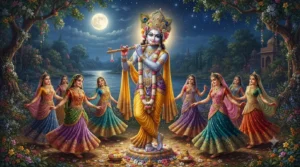
Throughout his childhood, Lord Shri Krishna defeated numerous demons and protected the people of his village. Yet, amidst these divine activities, he also enjoyed performing Raas Leela, playing his flute, and spending time with the Gopis and his companions. This is why he became famous as Murlidhar and Murli Manohar.
During the Raas Leela, Lord Shri Krishna manifested himself beside every Gopi in a separate form. This divine event is traditionally understood as a symbol of his unconditional and equal love for all devotees. His enchanting divine presence also earned him the name Madan Mohan.
However, Shri Krishna is traditionally regarded as having a special and eternal bond of divine love with Radha Rani. This is why devotees continue to chant the sacred names ‘Radhe Krishna’ and ‘Radhey Shyam’ with deep devotion.
After performing his divine leelas in Gokul, Vrindavan, and Barsana, Lord Shri Krishna defeated Kansa and restored his maternal grandfather Ugrasena to the throne of Mathura. Following this event, he also became known as Yadavendra.
Later, Lord Shri Krishna married Rukmini and several other queens. He also played an extremely important role in the Mahabharata. He became the closest friend of Arjuna, the divine protector of Draupadi, and the guide of the Pandavas.
Lord Shri Krishna is traditionally associated with 108 sacred names, each carrying its own divine significance and story. His life is filled with countless inspiring events, divine leelas, and miraculous manifestations.
Lord Shri Krishna’s Role in the Mahabharata, His Philosophy, and Sacred Scriptures
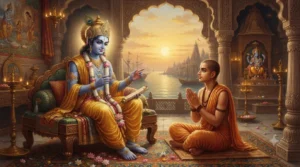
The Bhagavad Gita is regarded as the essence of Lord Shri Krishna’s teachings. During the battle of Kurukshetra, when Arjuna became overwhelmed with sorrow and attachment upon seeing his own relatives standing before him, Shri Krishna imparted profound wisdom about Karma, Dharma, and the true purpose of life.
Lord Shri Krishna explained to Arjuna that it was the duty of a Kshatriya to fight for justice and righteousness. He also taught that a person should continue performing their duties without becoming attached to the results, leaving the fruits of their actions to the divine.
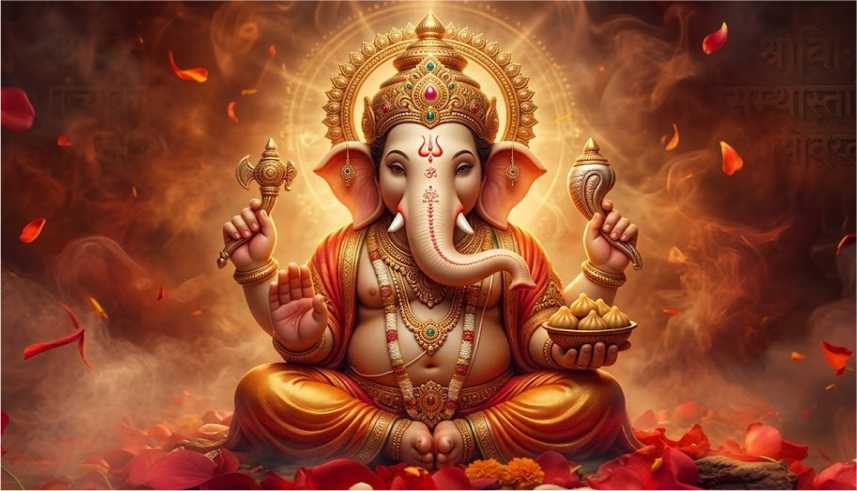
This great dialogue from the Mahabharata is traditionally attributed to Maharishi Ved Vyasa, while Lord Ganesha is believed to have written the epic. In the Bhagavad Gita, Shri Krishna explains the importance of Bhakti Yoga, Karma Yoga, Jnana Yoga, and Raja Yoga.
In the Vaishnava tradition, Lord Shri Krishna is worshipped as the Supreme God. Throughout history, numerous saints, poets, and devotees have composed beautiful works describing his divine glory.
At Bhakti Margdarshan, devotion to Lord Shri Krishna is regarded as one of the highest expressions of divine love and surrender. Saint Meera Bai dedicated her entire life to the devotion of Shri Krishna. The Alvar saints of South India and the Varkari tradition of Maharashtra also gave special importance to the worship of Shri Krishna and his form as Vitthoba.
References to Lord Shri Krishna are also found in Jain and Buddhist traditions, alongside Hindu religious traditions. Certain Jain traditions associate him with the category of Vasudevas, while references to Krishna also appear in Buddhist Jataka literature.
Temples and Festivals Dedicated to Lord Shri Krishna
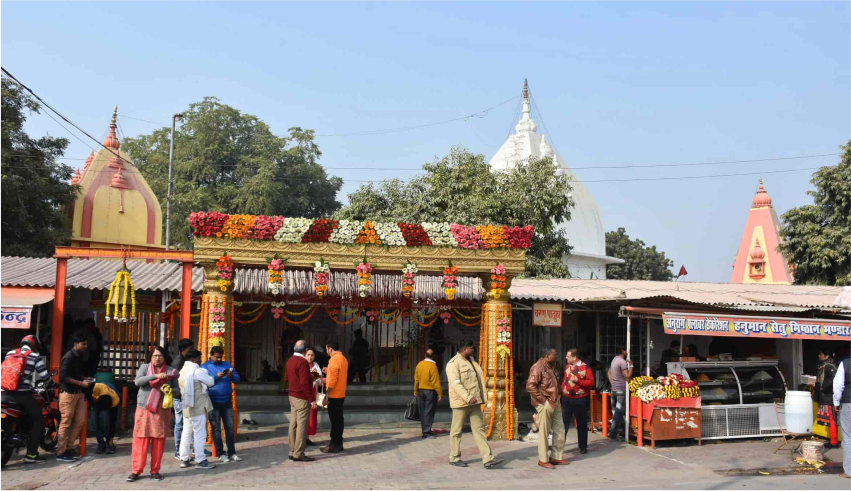
Devotion to Lord Shri Krishna is considered deeply joyful and spiritually uplifting. As soon as devotees enter a Krishna temple, the chanting of ‘Hare Krishna Hare Krishna’ fills the atmosphere with divine devotion.
In modern times, ISKCON (International Society for Krishna Consciousness) has been spreading the teachings and devotional practices of Shri Krishna across the world. Millions of people turn towards Lord Shri Krishna through this movement, seeking spiritual guidance, inner peace, and freedom from the difficulties of life.
Some of the most famous temples dedicated to Lord Shri Krishna include Banke Bihari Temple and Prem Mandir in Vrindavan, Dwarkadhish Temple in Dwarka, Jagannath Temple in Puri, and Vitthoba Temple in Pandharpur.
The festival of Shri Krishna Janmashtami is celebrated with great enthusiasm throughout India. On this occasion, children and young people participate in the traditional Govinda celebrations by forming human pyramids to break suspended butter pots. This joyful activity symbolizes the childhood leelas of Lord Shri Krishna.
The Holi celebrations of Vrindavan and Barsana are also famous throughout the world. These places celebrate the festival of colours according to the traditional customs associated with Radha Rani and Shri Krishna. Apart from these celebrations, festivals such as Sharad Purnima, Kartik Purnima, and Ekadashi also hold great importance for Krishna devotees.
On these auspicious occasions, devotees visit temples, offer butter, curd, and Mishri (rock sugar) to the Lord, and sing devotional songs and Kirtans in praise of Shri Krishna.
Frequently Asked Questions
Whose incarnation was Lord Shri Krishna?
Lord Shri Krishna is traditionally regarded as the eighth incarnation of Lord Vishnu.
Where was Lord Shri Krishna born?
Lord Shri Krishna was born in a prison in Mathura, where his parents, Devaki and Vasudeva, were imprisoned by King Kansa.
Why is Lord Shri Krishna called Makhan Chor?
During his childhood, Shri Krishna would playfully steal butter and curd from the homes of the Gopis. Because of these mischievous activities, he became lovingly known as Makhan Chor, meaning the Butter Thief.
What did Lord Shri Krishna teach in the Bhagavad Gita?
Lord Shri Krishna taught the importance of Karma Yoga, Bhakti Yoga, Jnana Yoga, and the practice of Dharma. He explained that people should perform their duties sincerely without becoming attached to the results of their actions.