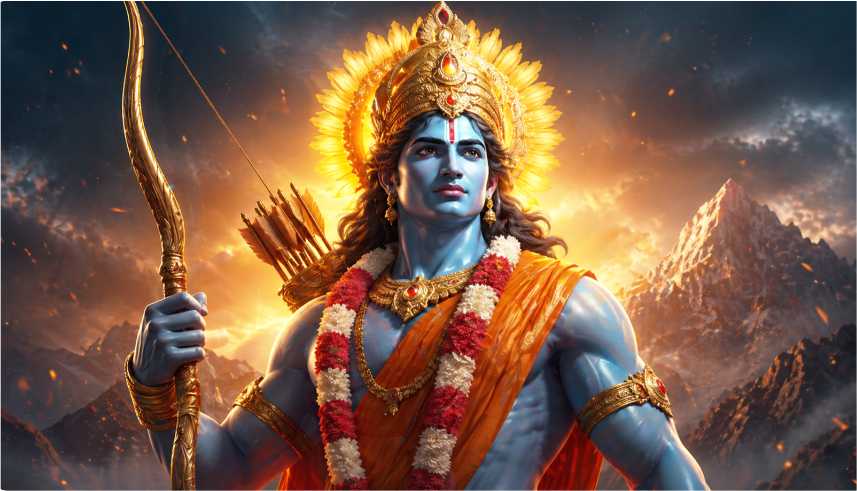
Lord Shri Ram: Divine Life, Ideals, and Spiritual Philosophy
Lord Shri Ram is one of the most revered deities in Hinduism. He is regarded as the embodiment of righteousness, truth, courage, and ideal conduct. According to the Vaishnava tradition, Shri Ram is the seventh incarnation of Lord Vishnu. Through his life, he taught humanity the true meaning of love, sacrifice, compassion, and duty. At Bhakti Margdarshan, devotion to Lord Shri Ram is also regarded as one of the highest paths to spiritual fulfilment. His entire life teaches us that we should never abandon righteousness, even in the most difficult circumstances.
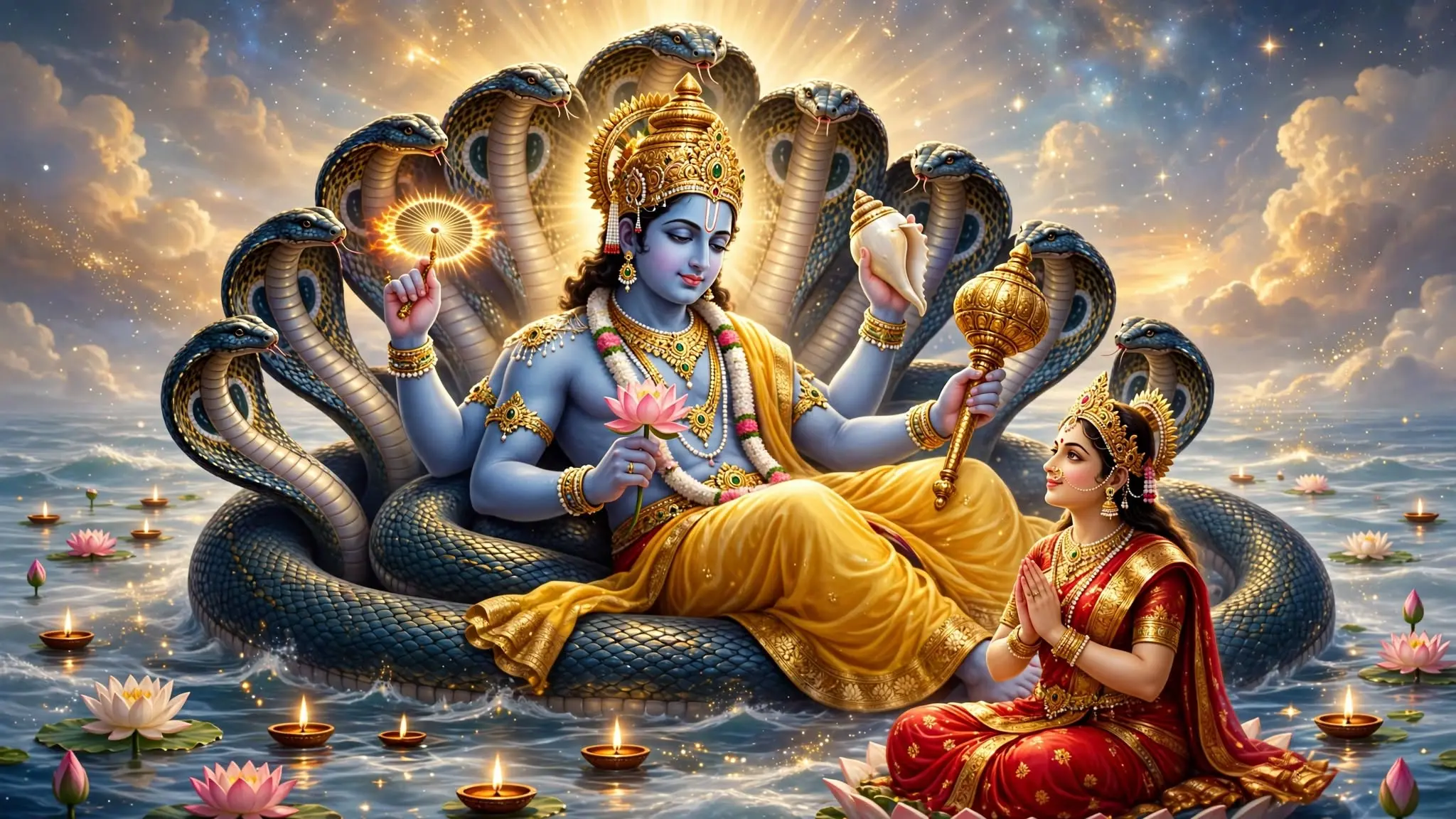
As one of the most popular Hindu deities, Lord Shri Ram is considered the embodiment of morality, discipline, and bravery. These exceptional qualities distinguish him as an ideal figure of devotion and inspiration. Ramachandra was the seventh incarnation of Lord Vishnu. While the Mahabharata contains a brief account of his life, the Ramayana describes the events of his life in detail.
The Divine Existence of Lord Ram and the Purpose of His Incarnation
Lord Shri Ram, the seventh incarnation of Lord Vishnu, is traditionally believed to have appeared on Earth during the Treta Yuga, approximately 869,000 years ago. At that time, unrighteousness, oppression, and injustice had reached their peak. Humanity was surrounded by suffering and misery. In response to these circumstances, Lord Shri Ram incarnated on Earth to restore Dharma and guide people towards maintaining their faith in the Divine.
Through his divine nature, ideal personality, and noble thoughts, he inspired the people of that era. Even today, sages, saints, and millions of devotees remember Lord Shri Ram with deep reverence. His life is not merely a religious story but an enduring example of righteousness and humanity.
The Story of Lord Shri Ram
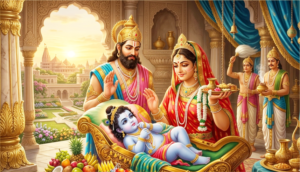
Lord Ram was born in the northern part of India to King Dasharatha and Queen Kaushalya. According to Hindu tradition, his birth was part of a divine plan. It is believed that when King Dasharatha performed a sacred yajna to seek the blessing of children, Lord Agni appeared and presented him with divine kheer sent by Lord Vishnu. After receiving this sacred offering, Queen Kaushalya gave birth to Lord Ram. His incarnation was destined to bring an end to Ravana and protect Dharma.
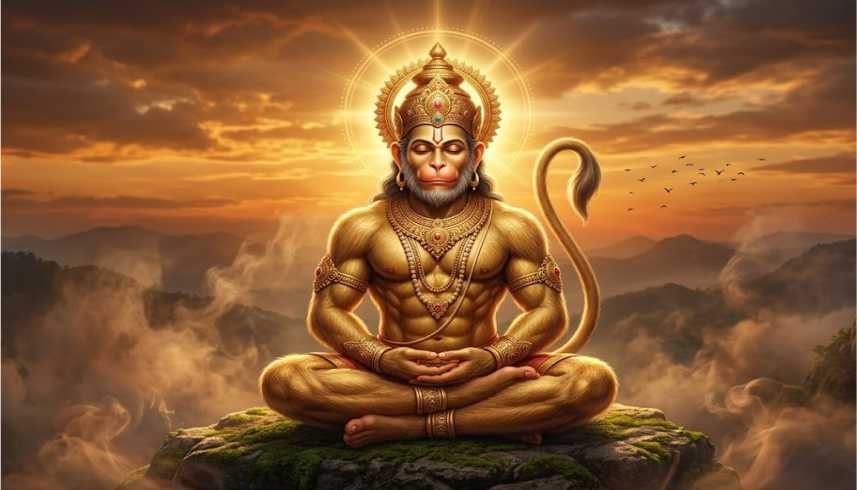
Lord Ram had three brothers: Lakshman, Bharat, and Shatrughna. Among them, Lakshman was considered his closest and most devoted brother. During the war against Ravana, an army of vanaras (monkey warriors) assisted Shri Ram. Among them, Shri Hanuman became his greatest devotee and most beloved servant.
While travelling with Sage Vishwamitra, Lord Ram arrived in Mithila, where he met Goddess Sita. King Janaka, the ruler of Mithila, had declared that whoever could lift the mighty bow of Lord Shiva and string it would be eligible to marry Sita. Lord Ram lifted the bow and broke it, after which the marriage of Shri Ram and Sita was solemnised. This marked the beginning of the sacred love story of Ram and Sita. Goddess Sita is regarded as an incarnation of Goddess Lakshmi.
According to the Ramayana, during their fourteen years of exile in the forest, Ravana abducted Goddess Sita. Lord Ram resolved to bring her back. After overcoming numerous challenges and hardships, he conquered Lanka and defeated Ravana with the help of Shri Hanuman and the vanara army. He then returned to Ayodhya with Goddess Sita.
However, his life continued to be filled with challenges even after this victory. As an ideal king, he always placed the welfare of his subjects above everything else. This is why Shri Ram is regarded as the symbol of ideal governance and righteous conduct.
Lord Shri Ram: Maryada Purushottam
Lord Ram is known as “Maryada Purushottam”, meaning the supreme ideal man who perfectly upholds social, spiritual, moral, and human values. Shri Ram became worthy of reverence because of his exemplary conduct, commitment to truth, and unwavering devotion to Dharma.
His life reflects extraordinary qualities of truthfulness, courage, patience, compassion, and duty. He always remained steadfast in keeping his promises. Even in the most difficult circumstances, he never lost his patience. He wished well for all living beings. During battle, his divine brilliance was powerful enough to inspire fear even among the gods, yet he was never arrogant. His wisdom and humility gave his personality a divine character.
Names and Incarnation of Lord Shri Ram
Lord Shri Ram is regarded as the seventh incarnation of Lord Vishnu. The purpose of his divine appearance was to protect Dharma, love, and humanity on Earth. The 108 names of Shri Ram are especially well known and are collectively called the Ashtottara Shatanamavali. These names describe his divine qualities and noble personality.
Dasharathi
Since he was the son of King Dasharatha, he is known as Dasharathi.
Sita Ram
He is lovingly known as Sita Ram because of the sacred love and divine bond between Lord Ram and Goddess Sita.
Rajiv Lochan
Lord Ram had beautiful eyes resembling lotus petals, which is why he is known as Rajiv Lochan.
Shatrughna Pujit
This name refers to Lord Ram as the one worshipped by his brother Shatrughna.
Bharat Prabhu
He is known as Bharat Prabhu because he was the revered Lord and object of devotion of his brother Bharat.
Shri Vallabh
He is regarded as the beloved Lord associated with prosperity and good fortune, which is why he is known as Shri Vallabh.
Shri Ramachandra
His face was compared to the beauty of the moon, which is why he is known as Shri Ramachandra.
Raghupungava
He is called Raghupungava because he is regarded as the greatest among the descendants of the Raghu dynasty.
Narayana Parayana
Even in human form, he remained devoted to Lord Vishnu, which is why he is known as Narayana Parayana.
Raghava
He is known as Raghava because he belonged to the illustrious Raghu dynasty.
Sarvabhakta Sukhakara
He is known as Sarvabhakta Sukhakara because he brings happiness and peace to his devotees.
Matarthi Haraya
He incarnated on Earth to destroy unrighteousness and remove the suffering of the world. Therefore, he is regarded as the remover of difficulties.
Devotion to Lord Shri Ram
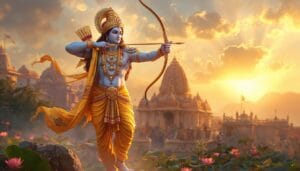
In religious idols and paintings, Lord Ram is generally depicted holding a bow and arrow. Temples often feature idols of Goddess Sita, Lakshman, and Lord Hanuman alongside him. He is traditionally portrayed with a dark complexion and adorned with royal ornaments.
Millions of devotees across the world worship Lord Ram. By chanting the Shri Ram Mantra, devotees seek peace, prosperity, and liberation (Moksha). One of the most widely recited mantras is:
Om Shri Ramaya Namah
Devotees chant this mantra with sincere love and faith, seeking the continued blessings and grace of Lord Shri Ram in their lives.
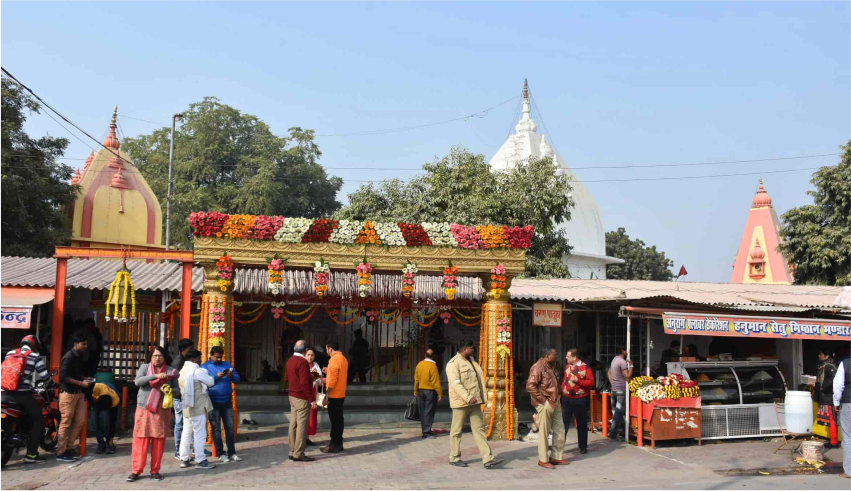
The establishment of the Ram Temple is also regarded as a historic event in the modern era of this devotional journey. The temple has become a centre of faith, love, spiritual light, and divine energy for devotees. At Bhakti Margdarshan, the Ram Temple is regarded as a great symbol of devotion and reverence.
Reciting Ram Bhajans, Ram Chalisa, and Shri Ram Aarti brings positive energy into the lives of devotees. The morning and evening Aarti performed in temples fills the surroundings with a divine atmosphere. Recitation of the Shri Ram Raksha Stotra and Shri Ram Stuti is believed to provide devotees with inner strength and spiritual protection. Bhakti Margdarshan also aims to spread love, wisdom, and peace in people’s lives.
Lord Ram’s Philosophy and Teachings of Life
“My mind is filled with extraordinary visions,
Of a timeless battle that is older than the Earth itself.
This battle has been fought countless times across different worlds and ages.
Even after the war of Lanka comes to an end, the struggle between Dharma and Adharma will continue,
Until time itself comes to an end.”
Lord Shri Ram is said to have spoken these words to Lakshman when they reached the seashore before the war in Lanka. These words express a profound aspect of Hindu philosophy. They suggest that time moves in cycles and that the struggle between righteousness and unrighteousness continues throughout existence.
Through his life, Lord Ram demonstrated that truth and Dharma ultimately triumph. He established such enduring ideals of love, faith, and duty that, for centuries, his teachings have continued to kindle the flame of devotion and reverence in the hearts of millions of people.
Frequently Asked Questions
Why is Lord Shri Ram called Maryada Purushottam?
Lord Shri Ram is called Maryada Purushottam because he upheld Dharma, truth, moral values, and ideal conduct throughout his life.
Whose incarnation was Lord Ram?
Lord Shri Ram is regarded as the seventh incarnation of Lord Vishnu.
What is the most famous mantra of Lord Shri Ram?
Om Shri Ramaya Namah is regarded as one of the most well-known mantras dedicated to Lord Shri Ram.
What was the main purpose of Lord Shri Ram in the Ramayana?
His primary purpose was to defeat Ravana, restore Dharma, and protect humanity from unrighteousness.