When Is Diwali 2026?
Diwali, also known as Deepavali or the Festival of Lights, is one of the most important and widely celebrated festivals in Hinduism. Homes are decorated with oil lamps, colourful rangoli, flowers and festive lights. Families come together to perform prayers, exchange sweets and celebrate the occasion with joy and devotion.
Diwali symbolises the victory of light over darkness, knowledge over ignorance and good over evil. It is also an occasion to welcome prosperity, positivity and happiness into our lives.
Diwali 2026 will be celebrated on Sunday, November 8, 2026. On this day, devotees will worship Goddess Lakshmi and Lord Ganesha during the Kartik Amavasya. According to the New Delhi Panchang, Amavasya Tithi begins at 11:27 AM on November 8 and ends at 12:31 PM on November 9.
The main Lakshmi Puja Muhurat in New Delhi is from 5:54 PM to 7:50 PM.
Diwali is not only a festival of lighting lamps. It also reminds us to maintain cleanliness, purify our thoughts, spend time with family, help those in need and bring positivity into our lives.
Diwali 2026 Date and Puja Timings
Here are the important details for Diwali 2026 in New Delhi:
- Diwali Date: Sunday, November 8, 2026
- Amavasya Tithi Begins: November 8, 2026, at 11:27 AM
- Amavasya Tithi Ends: November 9, 2026, at 12:31 PM
- Lakshmi Puja Muhurat: 5:54 PM to 7:50 PM
- Pradosh Kaal: 5:31 PM to 8:09 PM
The timings mentioned above are for New Delhi. Lakshmi Puja Muhurat may vary slightly from one city to another because of differences in local sunrise, sunset and Panchang calculations. Devotees living outside Delhi should check the local Panchang before performing the puja.
Religious Significance of Diwali
The word Deepavali is generally understood as a combination of two Sanskrit words: Deepa, meaning lamp, and Avali, meaning a row or series. Together, Deepavali means a row of lamps.
On this day, people traditionally light oil lamps in their homes, temples, courtyards and places of work. In Hindu tradition, a lamp represents light, purity, knowledge and auspiciousness.
Lighting a lamp is also associated with the wish to remove ignorance, negativity and despair from life and welcome knowledge, harmony and positive thoughts.
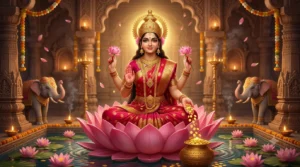
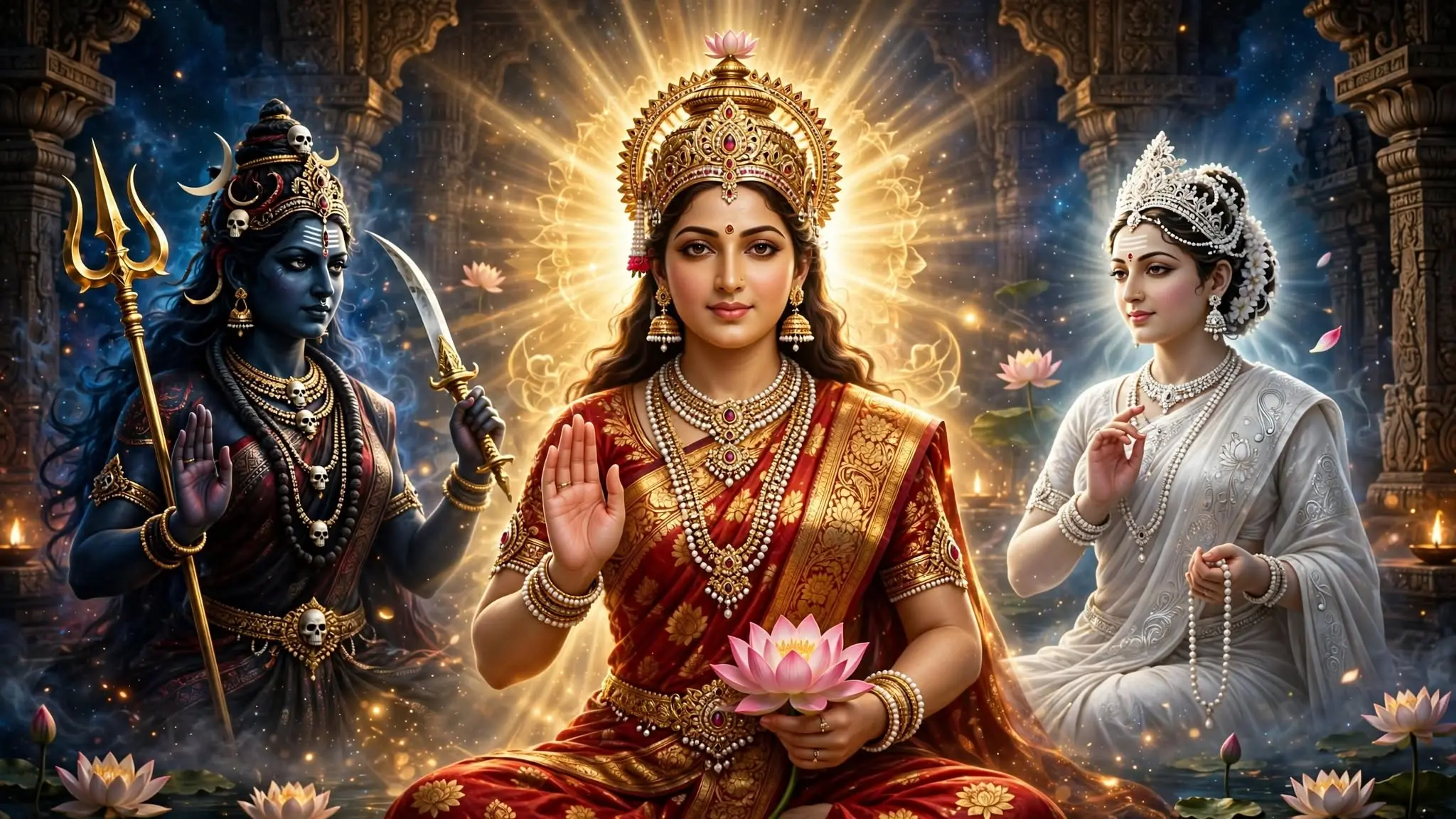
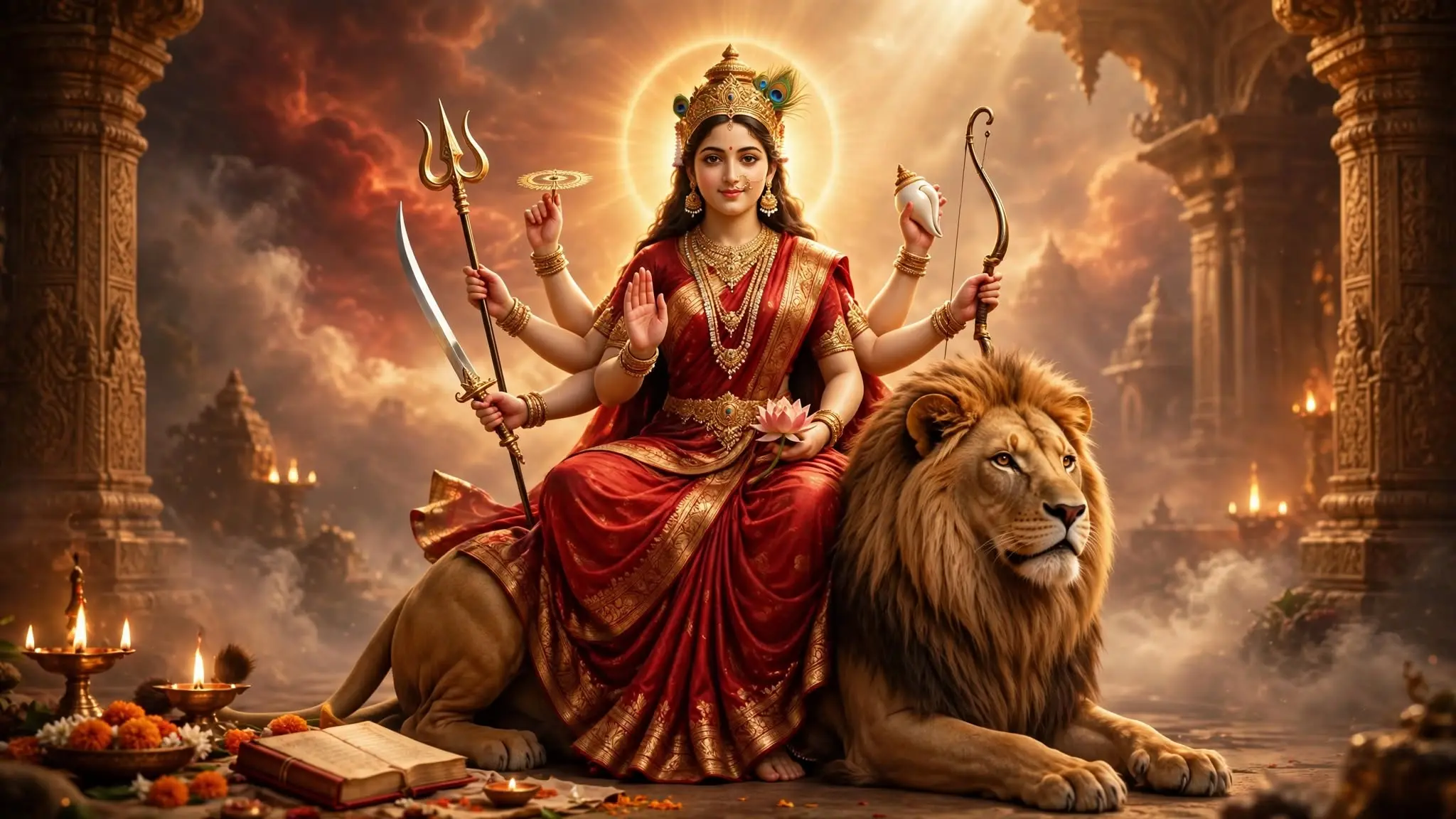
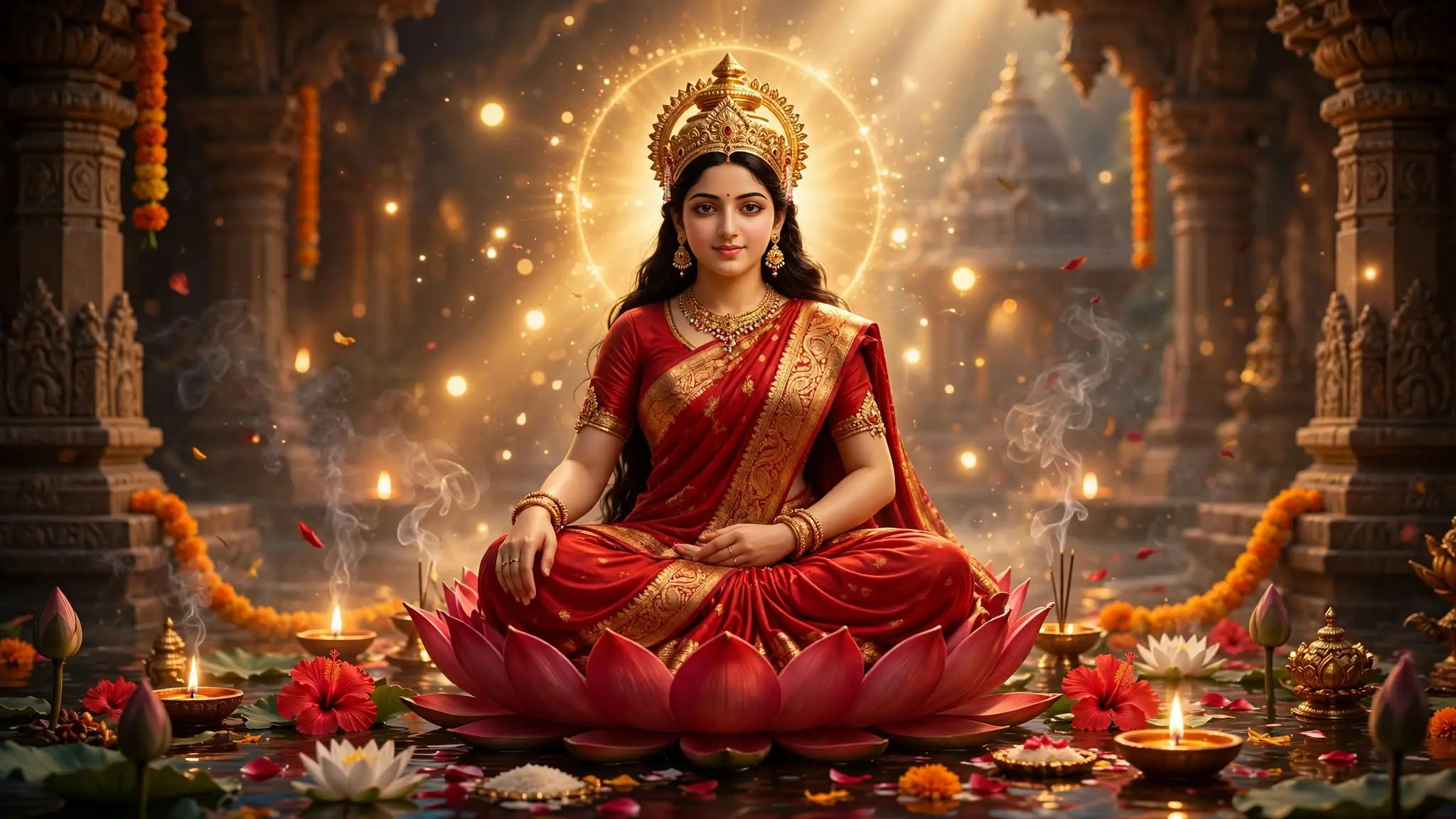
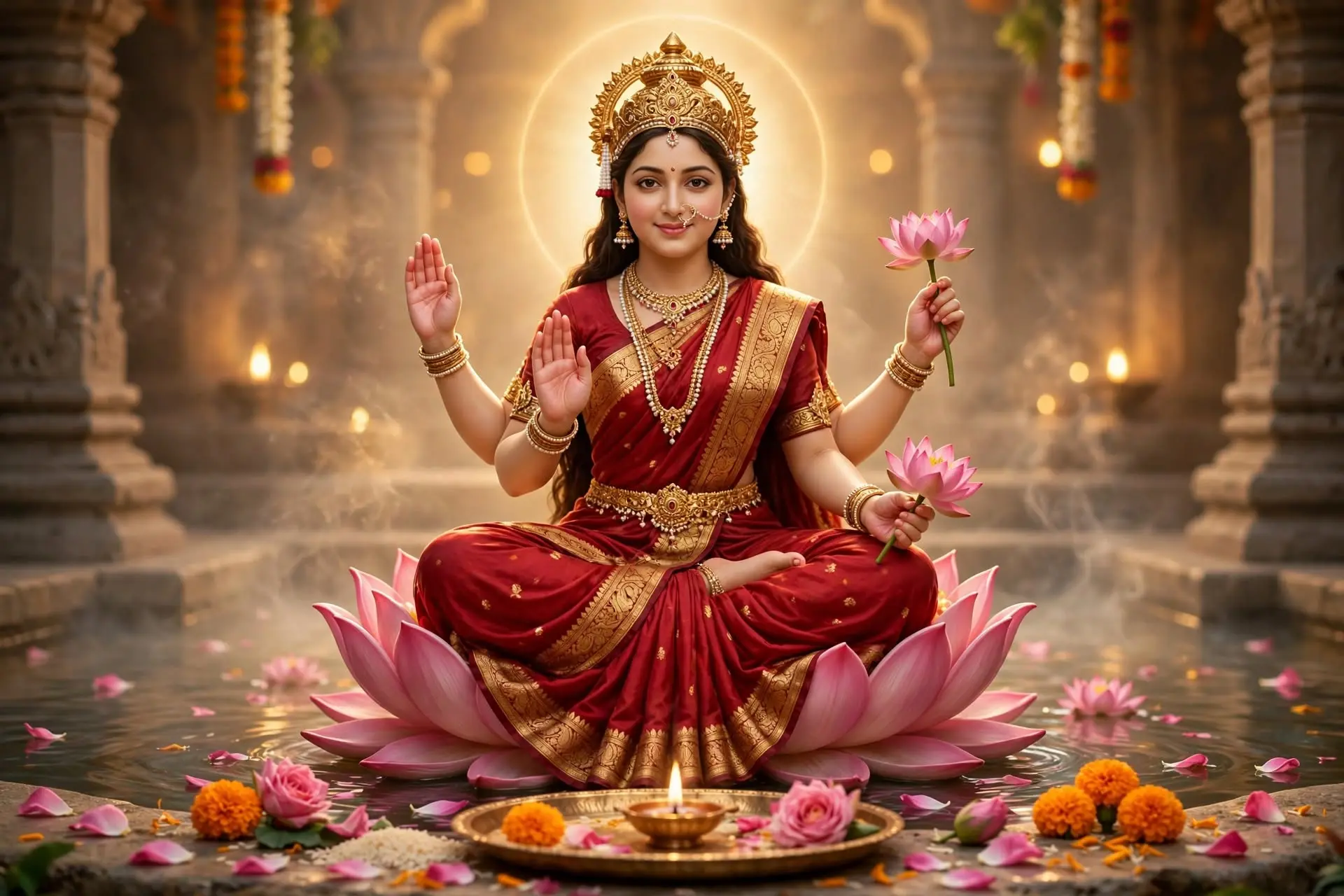
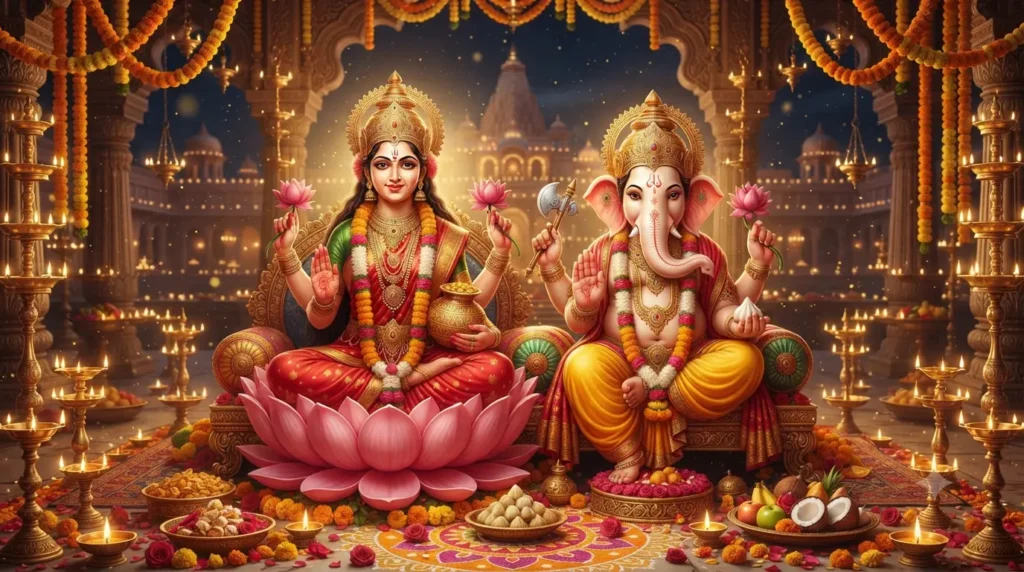
Goddess Lakshmi is worshipped on Diwali as the deity associated with wealth, prosperity and good fortune. Lord Ganesha is worshipped for wisdom, auspicious beginnings and the removal of obstacles. This is why Lakshmi-Ganesha Puja is an important part of Diwali celebrations.
Many business communities also begin new account books and pray for prosperity in their work. In some communities, this tradition is known as Chopda Puja.
The Story of Lord Shri Ram Associated with Diwali
One of the most widely known religious traditions associated with Diwali is the return of Lord Shri Ram to Ayodhya after completing fourteen years of exile.
According to the popular Ramayana tradition, Lord Shri Ram was accompanied by Goddess Sita and Lord Lakshman during his exile. During this period, Ravana abducted Goddess Sita. Lord Shri Ram, with the help of the Vanara army, fought against Ravana and defeated him in Lanka.
After Ravana’s defeat, Lord Shri Ram returned to Ayodhya with Goddess Sita and Lord Lakshman.
The people of Ayodhya were overjoyed by the return of their beloved prince after fourteen years. To welcome them, the city was decorated with rows of lamps, and people celebrated their homecoming.
This popular tradition is associated with the custom of lighting lamps on Diwali. Even today, many families light diyas and remember the return of Lord Shri Ram, Goddess Sita and Lord Lakshman to Ayodhya.
The story conveys the message that light follows darkness, happiness follows difficult times and righteousness ultimately triumphs over evil.
Diwali and Goddess Lakshmi
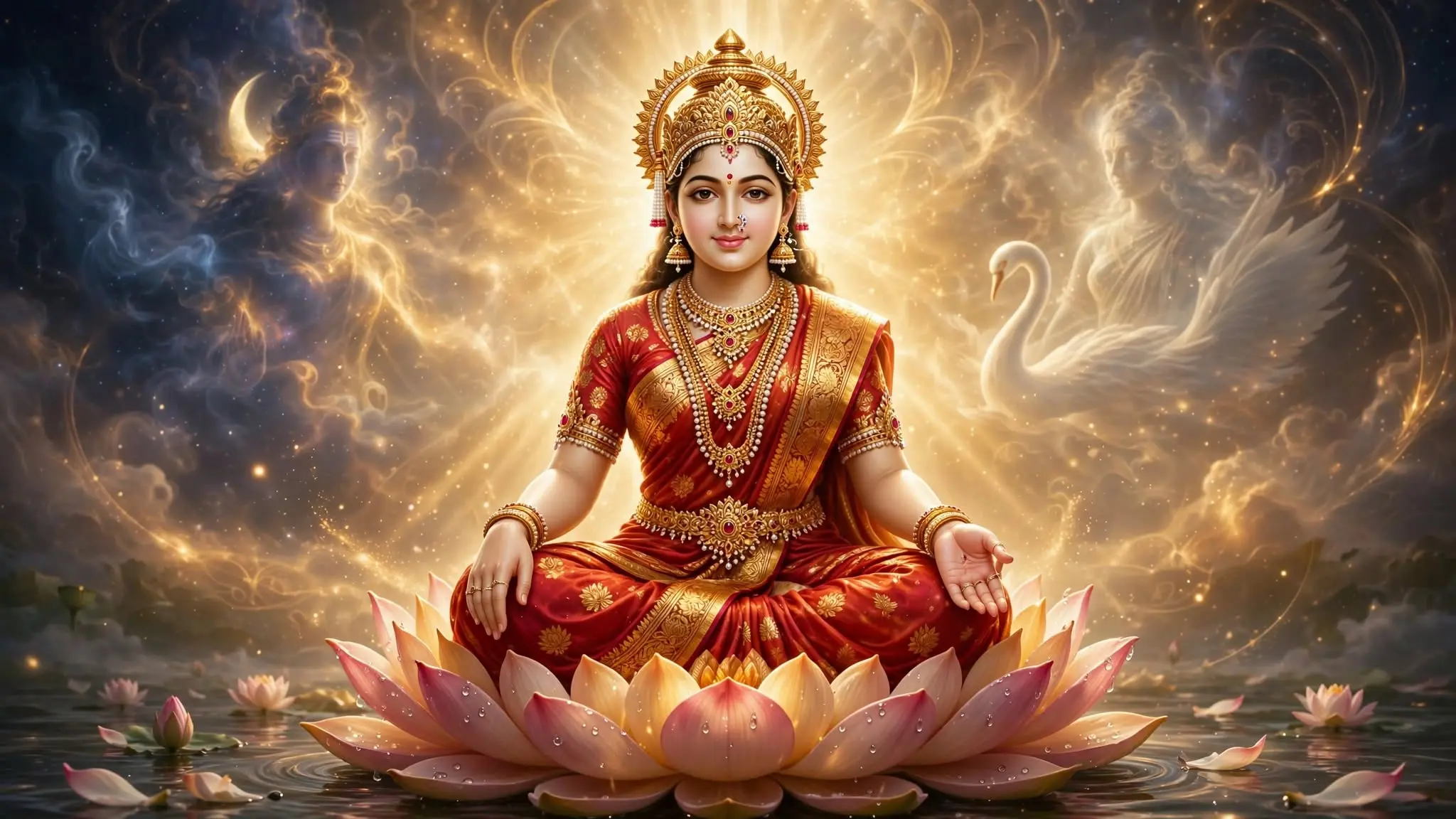
Worshipping Goddess Lakshmi is one of the most important traditions of Diwali. In Hindu tradition, Goddess Lakshmi is associated with wealth, prosperity, abundance and auspiciousness.
It is a popular belief that Goddess Lakshmi is welcomed into clean and well-maintained homes on Diwali. This is why families clean their houses, organise their belongings and prepare a special place for worship before the festival.
Many people decorate their main entrance with rangoli, flowers and traditional lamps. Some families also place diyas near the entrance to welcome auspiciousness into their homes.
During Diwali Puja, Goddess Lakshmi is traditionally worshipped along with Lord Ganesha.
Why Is Goddess Lakshmi Worshipped on Diwali?
Goddess Lakshmi is regarded as the deity of wealth, prosperity and good fortune. Therefore, devotees worship her on Diwali to pray for financial stability, happiness and well-being in their families.
However, the meaning of Lakshmi Puja is not limited to the desire for wealth. Hindu traditions also emphasise using wealth through honest actions, fulfilling family responsibilities, helping others and contributing to the welfare of society.
Diwali reminds us that true prosperity should be accompanied by good conduct, kindness and a sense of responsibility.
How to Prepare for Diwali 2026 Puja
Before performing Lakshmi Puja, devotees traditionally clean their homes and prepare a peaceful place for worship.
A clean platform or wooden chowki can be covered with a fresh cloth. The worship area may be decorated with flowers, diyas and other traditional items.
The main entrance and puja area can also be decorated with rangoli and flowers. Families may install pictures or idols of Goddess Lakshmi and Lord Ganesha at the worship place.
The decorations and arrangements can be made according to individual family traditions.
Diwali Lakshmi Puja Samagri (Worship Items)
The following items are commonly used for Lakshmi-Ganesha Puja on Diwali:
- Idols or pictures of Goddess Lakshmi and Lord Ganesha
- A clean wooden platform or chowki
- Red or yellow cloth
- Oil lamps or ghee diyas
- Cotton wicks
- Roli or Kumkum
- Akshat (whole rice grains)
- Fresh flowers and garlands
- Incense sticks and dhoop
- Camphor
- Fruits
- Sweets
- Naivedya (food offering)
- Kalash (sacred water pot)
- Clean water
- Ingredients for Panchamrit, if used in the family tradition
- Coins or other traditional objects used during worship
- Materials for making rangoli
The exact list of worship items may differ according to regional customs and family traditions. Devotees may follow their customary method of worship.
Diwali 2026 Lakshmi Puja Vidhi (Worship Procedure)
Lakshmi Puja on Diwali is traditionally performed in the evening. Devotees can follow these simple steps according to their family customs.
1. Clean the Worship Area
First, clean the place where the puja will be performed. Place a clean cloth on a wooden platform and arrange the worship items.
2. Install the Idols or Pictures
Place the idols or pictures of Goddess Lakshmi and Lord Ganesha at the worship area. Arrange flowers and other decorative items around them.
3. Prepare for the Puja
Devotees should bathe, wear clean clothes and sit peacefully before beginning the worship. Keep the mind calm and focus on prayer.
4. Worship Lord Ganesha First
Begin the puja by remembering and worshipping Lord Ganesha. He is traditionally worshipped before other deities for wisdom, auspicious beginnings and the removal of obstacles.
5. Worship Goddess Lakshmi
After worshipping Lord Ganesha, offer prayers to Goddess Lakshmi. Offer water, Akshat, Roli, flowers, incense, a lit lamp and Naivedya according to your family tradition.
6. Offer Flowers and Prasad
Offer fresh flowers and a garland to Goddess Lakshmi. Offer flowers and Naivedya to Lord Ganesha as well.
7. Perform Lakshmi Ji Ki Aarti
Perform the Aarti of Goddess Lakshmi with devotion. Families may also sing the Aarti of Lord Ganesha according to their tradition.
8. Offer Prayers for Well-Being
After the puja, all family members can pray to Goddess Lakshmi and Lord Ganesha for happiness, peace, wisdom and prosperity.
Families that follow the traditions of Kuber Puja, account-book worship or Chopda Puja may also perform these rituals on this occasion.
Tradition of Lighting Diyas on Diwali
One of the most beautiful sights of Diwali is the glow of lamps in homes and temples. People light diyas at the main entrance, in the puja room, courtyard, balcony and other suitable places.
Traditional earthen lamps are commonly used, although many people also decorate their homes with decorative lamps and electric lights.
While lighting diyas, it is important to place them on stable and safe surfaces. Keep them away from curtains, paper, clothing and other flammable materials.
Earthen diyas remain an important symbol of the traditional celebration of Diwali.
Home Decoration on Diwali
Cleaning and decorating the home before Diwali is a popular tradition. Families decorate their entrances with colourful rangoli, flowers and rows of lamps.
Marigold flowers, decorative leaves and traditional arrangements add a festive atmosphere to the home. Some families also place decorative Kalash at the entrance.
While decorating, make sure that electrical lights and lamps are installed safely. Avoid placing burning diyas near curtains or other flammable decorations.
What Should You Do on Diwali?
Diwali should be celebrated with devotion, happiness and a positive spirit. Some traditional practices include:
- Clean the house and prepare the place of worship.
- Perform Lakshmi-Ganesha Puja according to family traditions.
- Light diyas in safe places around the home.
- Share sweets and happiness with family members and neighbours.
- Help people in need by offering food or essential items.
- Take care of children and elderly family members during celebrations.
- Follow local rules and safety instructions if using firecrackers.
Helping others and sharing happiness are also meaningful ways to celebrate the spirit of Diwali.
What Should You Avoid Doing on Diwali?
Diwali is a festival of devotion, harmony and happiness. It is better to avoid activities that create unnecessary harm or disturb others.
Keep the following points in mind:
- Do not treat worship merely as a display of wealth or decoration.
- Avoid placing burning lamps near flammable objects.
- Never leave children unattended near firecrackers or burning lamps.
- Use firecrackers only with proper precautions and in accordance with local rules.
- Avoid unnecessary noise and activities that disturb elderly people, children and animals.
- Perform the puja peacefully, without rushing.
Celebrating Diwali with care and responsibility makes the festival more meaningful for everyone.
Diwali and the Five-Day Festival of Lights
Diwali is commonly associated with a series of festivals known as the five-day Deepotsav. These celebrations include Dhanteras, Narak Chaturdashi, Diwali, Govardhan Puja and Bhai Dooj.
In 2026, some of these observances fall on the same date, while others have a gap between them. The main dates for New Delhi are:
- Dhanteras: Friday, November 6, 2026
- Kali Chaudas: Saturday, November 7, 2026
- Narak Chaturdashi (Choti Diwali): Sunday, November 8, 2026
- Diwali (Lakshmi Puja): Sunday, November 8, 2026
- Govardhan Puja: Tuesday, November 10, 2026
- Bhai Dooj: Wednesday, November 11, 2026
An important point about 2026 is that Narak Chaturdashi and Diwali fall on the same calendar date in New Delhi.
Govardhan Puja is observed on November 10 according to the sunrise-based Pratipada Tithi rule. The Pratipada Tithi begins at 12:31 PM on November 9 and ends at 2:00 PM on November 10.
Therefore, the five main festival observances do not fall on five consecutive calendar dates in 2026. Festival dates should be determined according to the relevant Tithi and traditional observance rules rather than assuming that every festival must fall exactly one day after the previous one.
Why Is the Correct Time Important for Diwali Puja?
For Lakshmi Puja on Diwali, devotees traditionally consider the Amavasya Tithi, sunset and Pradosh Kaal while selecting the worship time. Some traditions also give importance to the fixed zodiac sign, known as Sthir Lagna.
The puja Muhurat can differ from city to city because sunset and other Panchang calculations vary by location.
For example, the main Lakshmi Puja Muhurat in New Delhi in 2026 is from 5:54 PM to 7:50 PM. In Varanasi, the corresponding timing may be different.
Therefore, devotees should not assume that the Muhurat for one city applies equally to every location in India. It is advisable to check the local Panchang before performing the puja.
Spiritual Message of Diwali
The lamp of Diwali is not merely a source of light for the home. It also represents the light of knowledge and goodness within us.
Ignorance, anger, greed, ego and despair can be understood as forms of darkness in human life. Diwali inspires us to replace these qualities with knowledge, self-control, love, compassion and harmony.
Along with worshipping Goddess Lakshmi, we should also try to bring honesty into our actions, love into our families and responsibility into our social lives.
When the celebration of Diwali is accompanied by good thoughts and meaningful actions, the festival becomes even more special.
Frequently Asked Questions About Diwali 2026
When is Diwali in 2026?
Diwali will be celebrated on Sunday, November 8, 2026.
What is the Lakshmi Puja Muhurat for Diwali 2026?
The main Lakshmi Puja Muhurat in New Delhi is from 5:54 PM to 7:50 PM on November 8, 2026. Timings may vary in other cities.
When does Amavasya Tithi begin and end on Diwali 2026?
According to the New Delhi Panchang, Amavasya Tithi begins at 11:27 AM on November 8, 2026, and ends at 12:31 PM on November 9, 2026.
Which deities are worshipped on Diwali?
Goddess Lakshmi and Lord Ganesha are primarily worshipped during Diwali Puja. Some families also worship other deities according to their regional and family traditions.
Should we worship Lord Shri Ram on Diwali?
The return of Lord Shri Ram to Ayodhya is one of the most popular traditions associated with Diwali. Many families remember and worship Lord Shri Ram, Goddess Sita and Lord Lakshman on this occasion.
Is fasting necessary on Diwali?
Some devotees observe a fast until the completion of Lakshmi Puja, while others do not. Fasting is not compulsory for every family and depends on individual beliefs and family traditions.
Should Lakshmi Puja be performed at night on Diwali?
Lakshmi Puja is generally performed after sunset during the Pradosh period. In New Delhi, the main Muhurat on November 8, 2026, is from 5:54 PM to 7:50 PM.
When is Govardhan Puja in 2026?
In New Delhi, Govardhan Puja will be observed on Tuesday, November 10, 2026, according to the sunrise-based Pratipada Tithi rule.
Conclusion
Diwali 2026 will be celebrated on Sunday, November 8. The festival is marked by cleaning and decorating homes, lighting diyas, making rangoli, performing Lakshmi-Ganesha Puja and celebrating with family and friends.
The main Lakshmi Puja Muhurat in New Delhi is from 5:54 PM to 7:50 PM. Devotees living in other cities should check their local Panchang for the appropriate worship time.
The true message of Diwali is not limited to decorating our homes with lamps. It also inspires us to fill our lives with knowledge, harmony, kindness, service and positivity.
May Goddess Lakshmi and Lord Ganesha bless you and your family with happiness, peace, wisdom and prosperity.
Wishing you and your family a very Happy Diwali 2026!