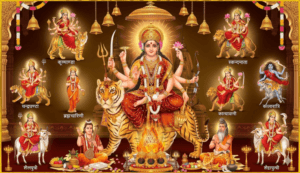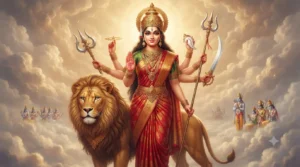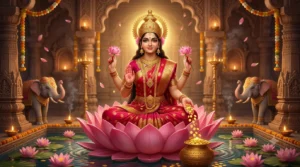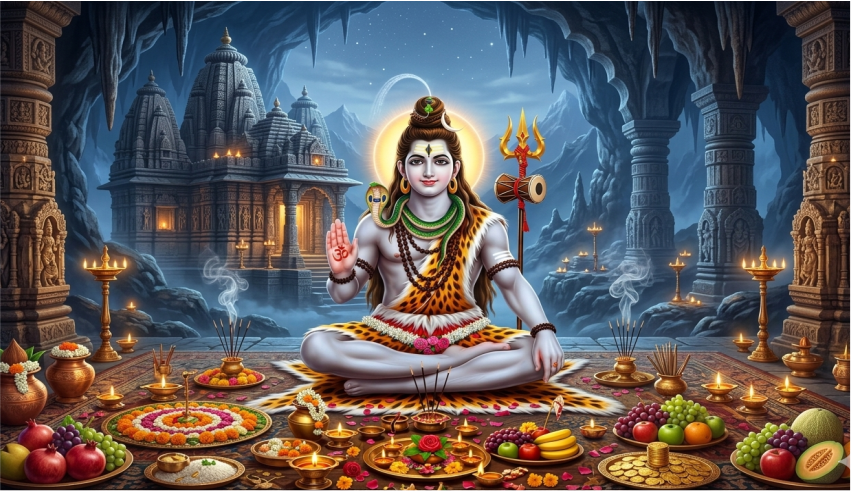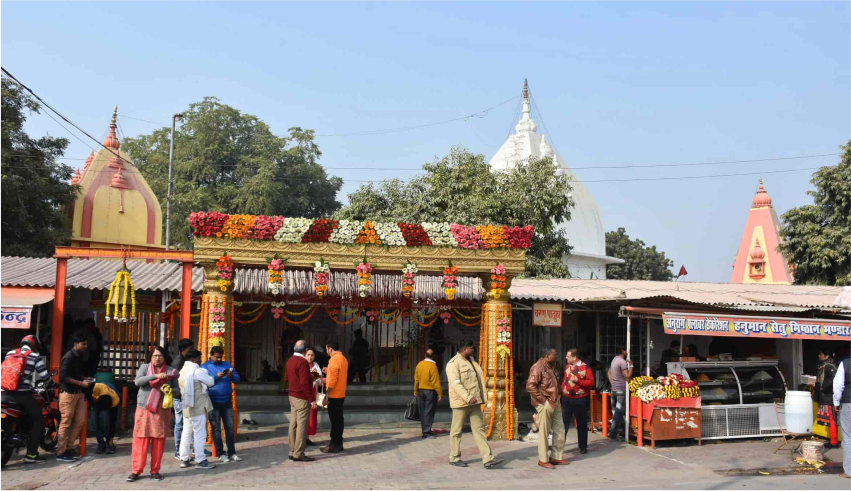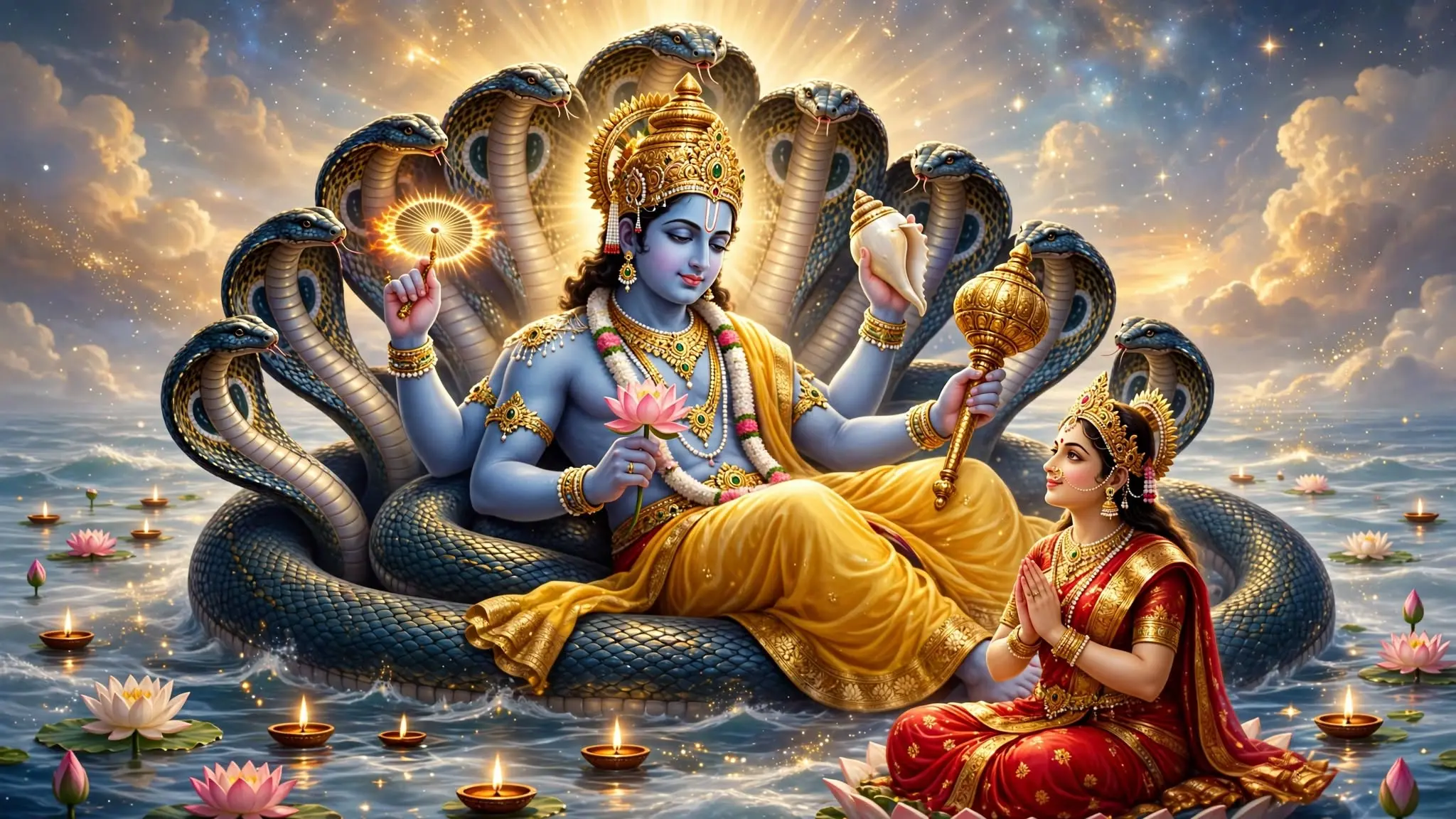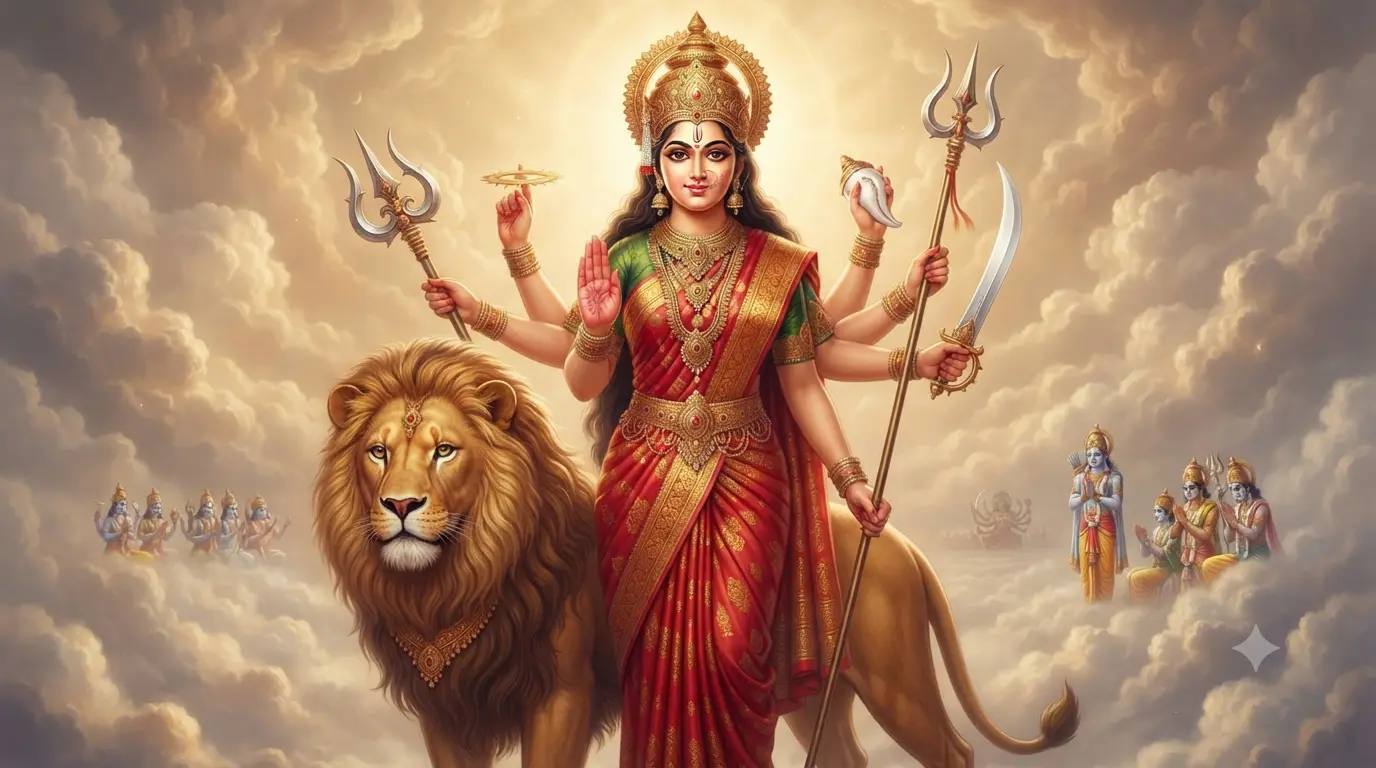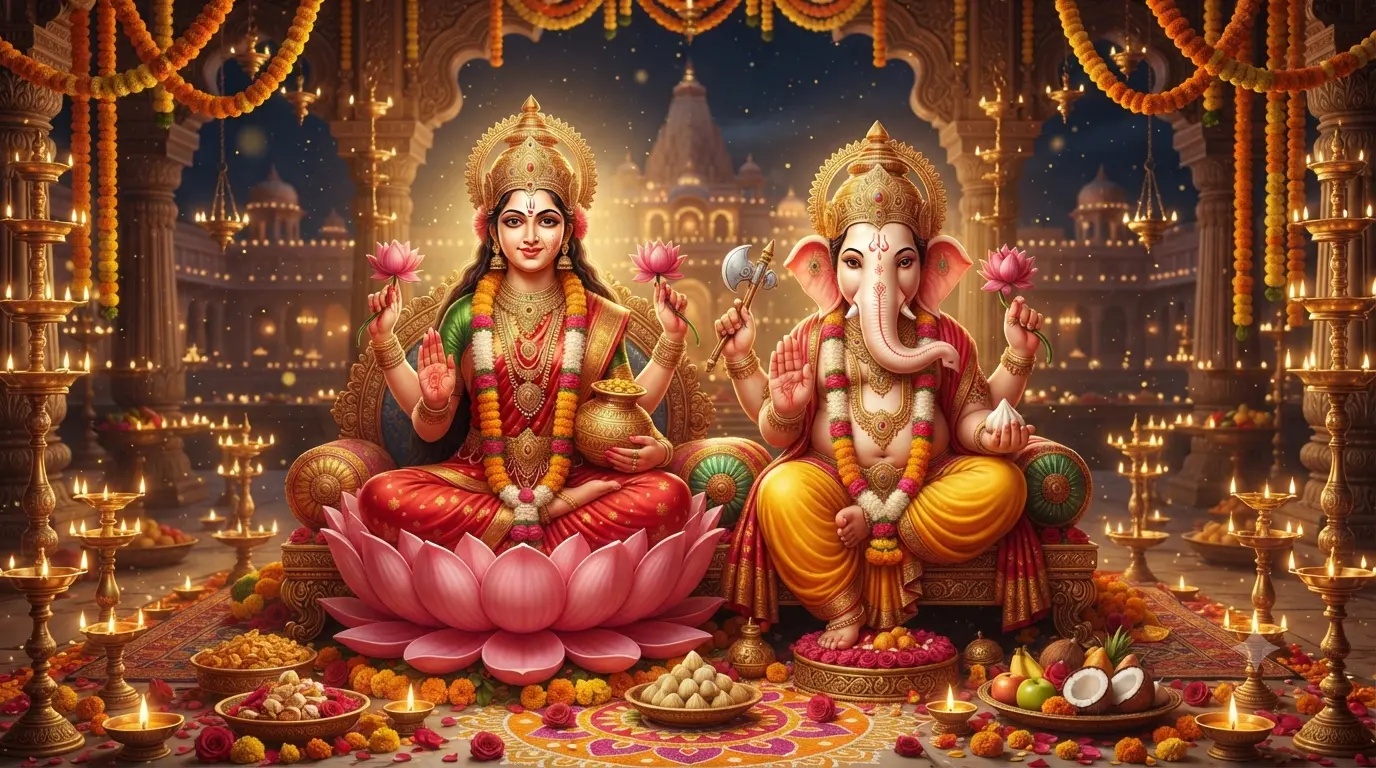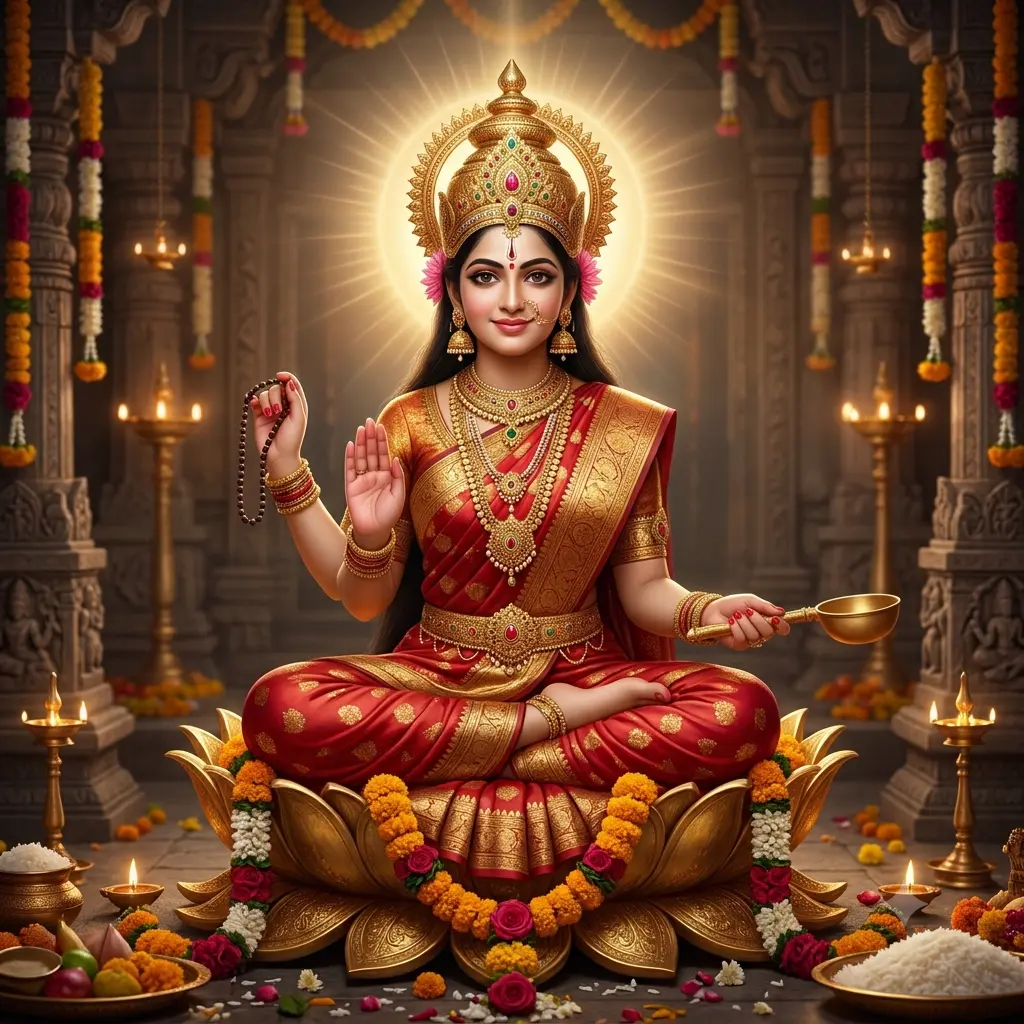
Annapurna Mata Ki Aarti, beginning with the words “Barambar Pranam, Maiya Barambar Pranam,” is a devotional prayer that praises the glory of Goddess Annapurna. Maa Annapurna is worshipped as the Goddess of food and nourishment. Devotees worship her and pray for an abundance of food, peace, happiness, and prosperity in their families.
Here, you can read the complete Annapurna Mata Ki Aarti in Roman Hindi. This article also includes the complete Aarti lyrics, a simple worship method, and information about the PDF.
Annapurna Mata Ki Aarti
Devotees sing Annapurna Mata Ki Aarti with devotion to express their faith and surrender to the Goddess. Maa Annapurna is worshipped as the Goddess of food, nourishment, and prosperity. Devotees pray to her for peace, happiness, an abundance of food, and the well-being of their families. Read the complete lyrics of Annapurna Mata Ki Aarti below.
Annapurna Mata Ki Aarti
Barambar Pranam,
Maiya Barambar Pranam.
Jo Nahi Dhyave Tumhein Ambike,
Kaha Use Vishram.
Annapurna Devi Naam Tiharo,
Let Hot Sab Kaam.
Barambar Pranam,
Maiya Barambar Pranam.
Pralay Yugantar Aur Janmantar,
Kalantar Tak Naam.
Sur Suron Ki Rachna Karti,
Kaha Krishna Kaha Ram.
Barambar Pranam,
Maiya Barambar Pranam.
Chumahi Charan Chatur Chaturanan,
Charu Chakradhar Shyam.
Chandrachood Chandranan Chakar,
Shobha Lakhahi Lalaam.
Barambar Pranam,
Maiya Barambar Pranam.
Devi Dev! Dayaniya Dasha Mein,
Daya-Daya Tab Naam.
Trahi-Trahi Sharanagat Vatsal,
Sharan Roop Tab Dhaam.
Barambar Pranam,
Maiya Barambar Pranam.
Shreem, Hreem Shraddha Shri Ai Vidya,
Shri Kleem Kamala Kaam.
Kanti, Bhrantimayi, Kanti Shantimayi,
Var De Tu Nishkaam.
Barambar Pranam,
Maiya Barambar Pranam.
॥ Mata Annapurna Ki Jai ॥
Download Annapurna Mata Ki Aarti PDF
If you want to download Annapurna Mata Ki Aarti in PDF format, you can save this Aarti on your mobile phone or computer. Having the Aarti in PDF format makes it easier to read during worship, and you can also print it whenever needed.

 Download Free PDF
When Should You Perform Annapurna Mata Ki Aarti?
Annapurna Mata Ki Aarti can be performed with devotion in the morning or evening during daily worship. Devotees worship the Goddess according to their family traditions and convenience.
Light a diya during the Aarti, remember the Goddess with devotion, and pray for the happiness and prosperity of your family.
Annapurna Mata Worship Method
You can worship Goddess Annapurna at home by following a simple procedure.
- Take a bath, wear clean clothes, and clean the place of worship.
- Light a diya in front of Goddess Annapurna’s picture or idol.
- Offer flowers, fruits, and food according to your devotion.
- Remember the Goddess and sing Annapurna Mata Ki Aarti.
- At the end of the worship, pray for the well-being of your family and an abundance of food.
- Distribute the Prasad and take a pledge to respect food and avoid wasting it.
The most important aspects of worship are devotion, cleanliness, and a spirit of service.
Religious Significance of Annapurna Mata Ki Aarti
Goddess Annapurna is worshipped as the divine provider of food and nourishment. According to religious beliefs, devotees worship her and pray for an abundance of food, peace, happiness, and prosperity in their homes.
Worshipping Goddess Annapurna also teaches us not to disrespect food. Feeding the needy, avoiding food waste, and helping others are important actions associated with the same spirit of devotion.
Who Is Maa Annapurna?
Maa Annapurna is considered a form of Goddess Parvati. Her name is associated with food and abundance. Goddess Annapurna holds special religious significance in Kashi (Varanasi). Devotees worship her as the Goddess who provides food, nourishment, and sustenance.
Difference Between Annapurna Mata Ki Aarti and Annapurna Stotram
Annapurna Mata Ki Aarti and Annapurna Stotram are two different devotional compositions.
The Aarti is a devotional prayer performed while offering a lit lamp to the Goddess, whereas the Stotram describes the glory of the Goddess through Sanskrit verses.
If you wish to recite the Annapurna Stotram, use a separately verified version of the text. It is not appropriate to consider both compositions the same.
Frequently Asked Questions About Annapurna Mata Ki Aarti
1. What are the opening lines of Annapurna Mata Ki Aarti?
The opening lines of this Aarti are: “Barambar Pranam, Maiya Barambar Pranam.”
2. When should Annapurna Mata Ki Aarti be performed?
Devotees can perform the Aarti with devotion in the morning or evening during worship.
3. How can I create a PDF of Annapurna Mata Ki Aarti?
Open this page in your browser and press Ctrl + P. Select “Save as PDF” in the print options. You can then save the PDF file to your device.
4. What should be offered as Bhog to Maa Annapurna?
Devotees can offer freshly prepared food, rice, fruits, or sweets to the Goddess according to their devotion. The Bhog should be prepared with cleanliness and sincerity.
5. Why is Maa Annapurna worshipped?
Maa Annapurna is worshipped to seek food, nourishment, family happiness, and prosperity in life.
6. Can Annapurna Mata Ki Aarti be performed daily?
Yes, devotees can perform Annapurna Mata Ki Aarti every day according to their faith and convenience.
Conclusion
Annapurna Mata Ki Aarti is a beautiful way to express devotion and gratitude towards the Goddess. Through this Aarti, devotees pray to Maa Annapurna for an abundance of food, peace, happiness, and prosperity in their families.
Along with worshipping Maa Annapurna, we should respect food and make an effort to help those in need.
॥ Jai Maa Annapurna ॥