Introduction (Devuthani Ekadashi 2026)
Devuthani Ekadashi is one of the most important fasting observances in Hinduism. It is also known as Devotthan Ekadashi and Prabodhini Ekadashi. This festival is observed on the Ekadashi (eleventh lunar day) of the Shukla Paksha (waxing phase of the Moon) in the Hindu month of Kartik. According to religious belief, Lord Vishnu awakens from His four-month-long Yogic Sleep on this day, marking the end of Chaturmas.
On Devuthani Ekadashi, devotees worship Lord Vishnu and Goddess Lakshmi, observe a fast, chant sacred mantras, and perform charitable activities. The day is also associated with the traditional beginning of weddings and other auspicious ceremonies. In many regions, the ceremonial marriage of Tulsi Mata and Lord Shaligram is also performed on this occasion.
Uttishthottishtha Govinda Uttishtha Garudadhwaja.
Uttishtha Kamalakanta Trailokyam Mangalam Kuru.
This is a prayer associated with the awakening of Lord Vishnu. Devotees remember and worship the Lord with this devotional sentiment on Devuthani Ekadashi.
When Is Devuthani Ekadashi 2026?
In 2026, Devuthani Ekadashi will be observed on two different days according to different religious traditions. As per the New Delhi Panchang, the Smarta tradition will observe the fast on Friday, November 20, while the Vaishnava tradition will observe the Gauna Ekadashi fast on Saturday, November 21.
Important Dates of Devuthani Ekadashi 2026:
- Smarta Ekadashi Fast: November 20, 2026, Friday
- Vaishnava (Gauna) Ekadashi Fast: November 21, 2026, Saturday
- Ekadashi Tithi Begins: November 20, 2026, at 7:15 AM
- Ekadashi Tithi Ends: November 21, 2026, at 6:31 AM
Devuthani Ekadashi 2026: Parana Timings
| Fasting Tradition | Parana Date | Parana Time |
|---|---|---|
| Smarta Ekadashi | November 21, 2026 | 1:11 PM to 3:18 PM |
| Vaishnava (Gauna) Ekadashi | November 22, 2026 | 6:49 AM to 8:56 AM |
These timings are based on the Panchang for New Delhi. Devotees observing the Ekadashi fast should perform Parana according to their family traditions and local Panchang.
What Is Devuthani Ekadashi?
The word Devuthani means the awakening or rising of the gods, while Prabodhini means the one that awakens. According to religious belief, Lord Vishnu enters Yogic Sleep on Devshayani Ekadashi, which falls on the Shukla Paksha Ekadashi of the Hindu month of Ashadha. He awakens on the Shukla Paksha Ekadashi of Kartik.
The awakening of Lord Vishnu marks the end of Chaturmas. For this reason, this Ekadashi is also known as Devotthan Ekadashi.
During Chaturmas, many devotees observe special fasts, worship rituals, mantra chanting, spiritual practices, and religious disciplines. There is also a traditional practice of postponing auspicious ceremonies, such as weddings, during this period. The resumption of these ceremonies after Devuthani Ekadashi holds religious significance.
Scriptural and Religious Significance of Devuthani Ekadashi
The month of Kartik is considered especially sacred for the worship of Lord Vishnu. During this month, devotees traditionally perform Deepdaan (offering of lamps), worship Tulsi, observe fasts, and remember the names of Lord Vishnu. Kartik Shukla Ekadashi is an important festival within this religious tradition.
The significance of Prabodhini Ekadashi is described in the Uttarakhanda of the Padma Purana. It discusses the observance of this Ekadashi, the worship of Lord Vishnu, and its religious importance.
The spiritual message of Devuthani Ekadashi extends beyond the awakening of Lord Vishnu. It also inspires devotees to overcome laziness and ignorance and move towards devotion, self-discipline, and righteous actions.
On this day, devotees traditionally worship Lord Vishnu, recite the Vishnu Sahasranama, chant mantras, and donate to people in need.
Awakening of Lord Vishnu and the End of Chaturmas
According to Hindu religious belief, Lord Vishnu enters Yogic Sleep on Devshayani Ekadashi. This day marks the beginning of Chaturmas, which is traditionally observed until Kartik Shukla Ekadashi.
During Chaturmas, devotees offer special prayers to Lord Vishnu. According to their respective traditions, they observe fasts, follow a sattvic lifestyle, and devote time to religious activities.
The awakening of Lord Vishnu is celebrated on Kartik Shukla Ekadashi. Special worship, devotional singing, bhajans, kirtans, and Deepdaan are performed in temples and homes. In many regions, devotees also follow special traditions of symbolically awakening the Lord.
Some folk traditions also include beliefs about the special responsibilities associated with Lord Shiva during Chaturmas. These should be understood as regional religious beliefs.
Devuthani Ekadashi Puja Vidhi (Worship Rituals)
On Devuthani Ekadashi, devotees worship Lord Vishnu with devotion and according to traditional rituals. The general worship procedure is as follows:
- Wake up early in the morning, take a bath, and wear clean clothes.
- Clean the worship area and place an idol, picture, or Shaligram Shila of Lord Vishnu there.
- Light a ghee lamp before the Lord and take a vow to observe the fast.
- Offer yellow flowers, sandalwood paste, Akshat (unbroken rice grains), fruits, and sweets to Lord Vishnu.
- Tulsi leaves hold special significance in the worship. Offer Tulsi leaves to Lord Vishnu.
- Offer incense and light, and chant the mantra of Lord Vishnu.
- Recite the Vishnu Sahasranama, Vishnu Stotra, or the Devuthani Ekadashi Vrat Katha.
- Perform Lord Vishnu’s Aarti in the evening and offer lamps according to your devotion.
- Break the fast on Dwadashi at the prescribed time.
The worship materials and rituals may vary according to family traditions and regional practices.
Rules for Observing the Devuthani Ekadashi Fast
Purity of thoughts, speech, and actions is considered especially important during the Ekadashi fast. Devotees observe the following rules according to their physical capacity and family traditions:
- Remember and worship Lord Vishnu on the fasting day.
- Follow the traditional practice of avoiding rice and grains.
- Observe a fruit-based fast, a water-based fast, or a complete fast without food or water, according to your physical capacity.
- Avoid anger, harsh words, and unnecessary arguments.
- Help people in need and perform charitable activities.
- Break the fast at the appropriate time on Dwadashi.
People with health-related difficulties should avoid strict fasting. The fast should always be observed according to one’s physical capacity.
Mythological Story of Devuthani Ekadashi
Devuthani Ekadashi is associated with the religious belief that Lord Vishnu awakens from His Yogic Sleep. To understand this observance, it is important to know about the tradition of Devshayani Ekadashi and Chaturmas.
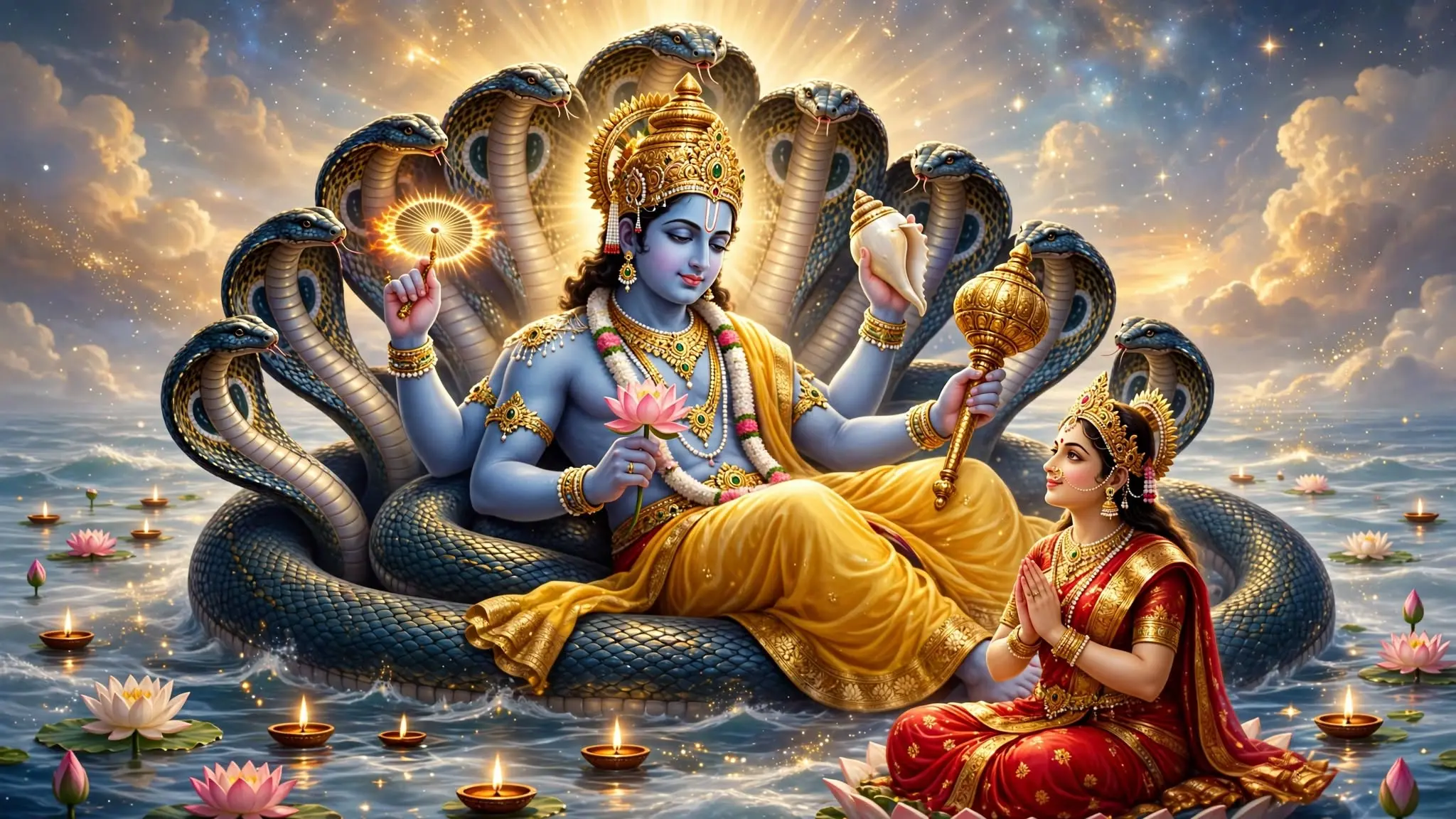
According to belief, on Ashadha Shukla Ekadashi, Lord Vishnu enters Yogic Sleep on the bed of Sheshnag in the cosmic ocean of Kshira Sagar. During this period, devotees worship Lord Vishnu and follow various religious disciplines.
After four months, the awakening of Lord Vishnu is celebrated on Kartik Shukla Ekadashi. Special prayers are performed in temples, and devotees welcome the Lord with bhajans, kirtans, and the lighting of lamps.
Because of this religious belief, the day came to be known as Devuthani Ekadashi. It is also called Prabodhini Ekadashi. This festival inspires devotees to maintain regular worship, self-discipline, and a spiritual way of life.
When Is Tulsi Vivah 2026?
In many regions, Tulsi Vivah is celebrated on the day following Devuthani Ekadashi. According to the New Delhi Panchang, Tulsi Vivah in 2026 will be observed on Saturday, November 21, on Kartik Shukla Dwadashi.
Tulsi Vivah 2026 Date and Tithi:
- Tulsi Vivah: November 21, 2026, Saturday
- Dwadashi Tithi Begins: November 21, 2026, at 6:31 AM
- Dwadashi Tithi Ends: November 22, 2026, at 4:56 AM
In several regions, Tulsi Vivah is also performed on Devuthani Ekadashi itself. In some places, the celebration continues until Kartik Shukla Dwadashi or Kartik Purnima. Therefore, devotees should follow their family and regional traditions when arranging the ceremony.
Mythological Story of Tulsi Vivah
The famous mythological story associated with Tulsi Vivah concerns Goddess Vrinda and the demon king Jalandhar. According to the story, Vrinda was a devoted worshipper of Lord Vishnu and the wife of Jalandhar. The power of her devotion and chastity gave Jalandhar extraordinary strength, making him difficult to defeat.
To protect the gods, Lord Vishnu assumed the form of Jalandhar. When Vrinda discovered the truth of this incident, she cursed Lord Vishnu. Different Puranic texts and traditional accounts describe certain details of this episode differently.
In the later part of the story, Vrinda becomes associated with the sacred form of the Tulsi plant and her relationship with Lord Vishnu. Lord Vishnu regarded Tulsi as especially dear to Him. Based on this religious belief, the tradition of performing the ceremonial marriage of Tulsi Mata and Lord Shaligram during the month of Kartik became established.
Tulsi Vivah is considered a symbol of devotion, purity, and complete surrender to Lord Vishnu.
Tulsi Vivah Puja Vidhi (Worship Rituals)
On the day of Tulsi Vivah, Tulsi Mata is beautifully decorated in the courtyard or worship area of the home. The traditional marriage rituals are then performed with Lord Shaligram.
- Clean the worship area and the space around the Tulsi plant.
- Make a Rangoli near the Tulsi plant and decorate the wedding pavilion with sugarcane.
- Offer a Chunari, flowers, and other decorative items to Tulsi Mata.
- Offer clean clothes to Lord Shaligram and worship Him with sandalwood paste, Akshat, and flowers.
- First, remember Lord Ganesha and take a vow to perform the wedding ceremony.
- Place garlands around Tulsi Mata and Lord Shaligram.
- Complete the traditional wedding rituals, including the ceremonial joining of the couple, according to family customs.
- Perform the Aarti of Tulsi Mata and Lord Shaligram and offer fruits and sweets.
- Distribute Prasad among family members and other devotees present.
The rituals of Tulsi Vivah may differ across regions. The ceremony should be performed according to one’s family traditions.
What Should You Do on Devuthani Ekadashi?
Along with worshipping Lord Vishnu, this sacred day also emphasizes good deeds and selfless service. Devotees may perform the following activities according to their faith:
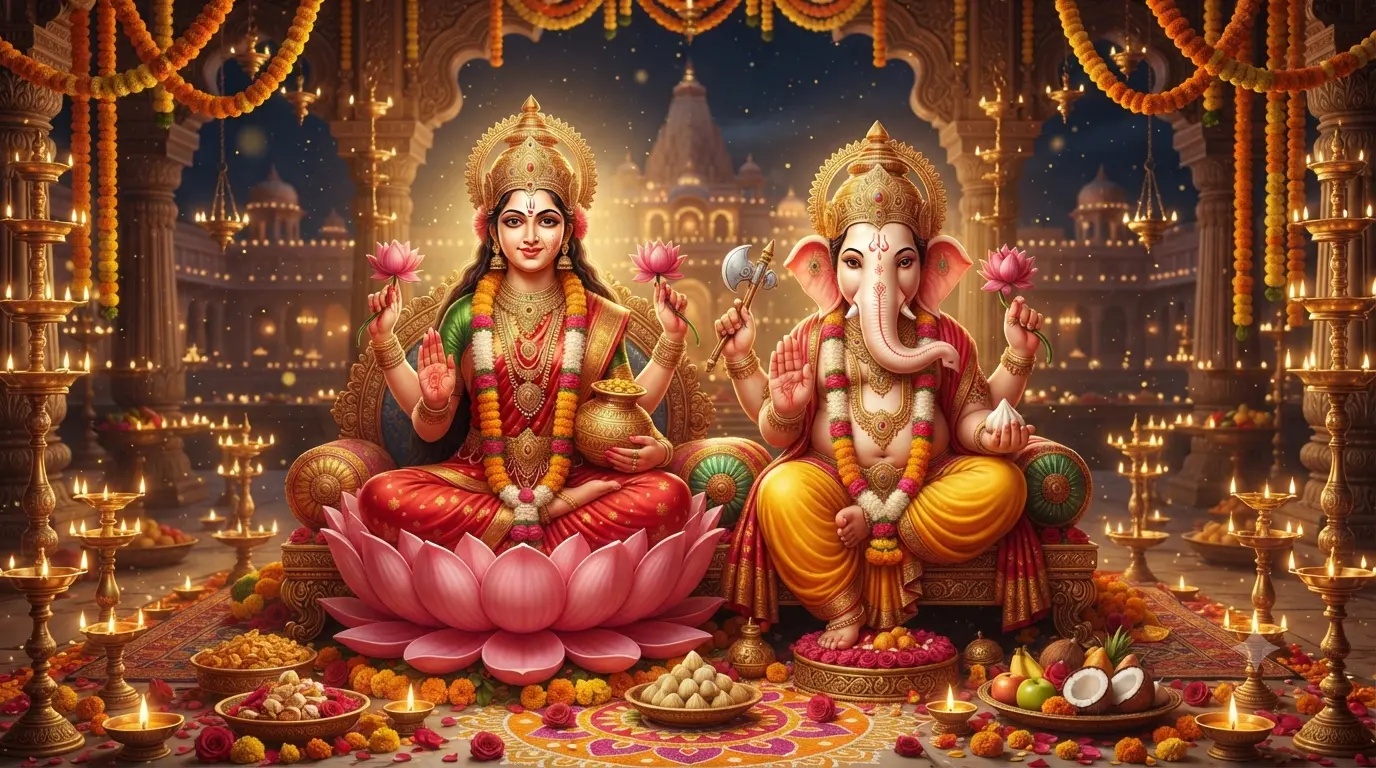
- Worship Lord Vishnu and Goddess Lakshmi.
- Light a lamp near the Tulsi plant.
- Recite the Vishnu Sahasranama or other hymns dedicated to Lord Vishnu.
- Chant the sacred mantras of the Lord.
- Donate food, clothes, or useful items to people in need.
- Keep the home and worship area clean.
- Make efforts to maintain love, peace, and harmony within the family.
Devuthani Ekadashi Mantra
While worshipping Lord Vishnu on Devuthani Ekadashi, devotees can chant the following mantra:
Om Namo Bhagavate Vasudevaya.
Simple English Meaning:
I respectfully bow to Lord Vasudeva, who is Lord Vishnu.
Chanting this mantra with a peaceful mind is a simple way to express devotion and surrender to Lord Vishnu.
Conclusion
Devuthani Ekadashi is an important Hindu festival associated with the worship of Lord Vishnu and the conclusion of Chaturmas. According to religious belief, Lord Vishnu awakens from His Yogic Sleep on this day, marking the beginning of the period for auspicious ceremonies. Devotees observe fasts, perform worship, chant mantras, offer lamps, and follow the tradition of Tulsi Vivah on this occasion.
This festival reminds us of the importance of devotion, self-discipline, service, and righteous actions. Celebrate Devuthani Ekadashi with faith and harmony while remembering Lord Vishnu.
Frequently Asked Questions About Devuthani Ekadashi 2026
1. When Is Devuthani Ekadashi in 2026?
In 2026, Devuthani Ekadashi will be observed on Friday, November 20, according to the Smarta tradition. The Vaishnava tradition will observe the Gauna Ekadashi fast on Saturday, November 21.
2. What Are the Other Names of Devuthani Ekadashi?
Devuthani Ekadashi is also known as Devotthan Ekadashi and Prabodhini Ekadashi.
3. Which Deity Is Worshipped on Devuthani Ekadashi?
Lord Vishnu is primarily worshipped on this day. Many devotees also worship Goddess Lakshmi and Tulsi Mata.
4. Why Does Chaturmas End on Devuthani Ekadashi?
According to religious belief, Lord Vishnu enters Yogic Sleep on Ashadha Shukla Ekadashi and awakens on Kartik Shukla Ekadashi. The awakening of the Lord marks the end of Chaturmas.
5. When Is the Parana of Devuthani Ekadashi 2026?
The Parana for the Smarta fast is on November 21, 2026, from 1:11 PM to 3:18 PM. The Parana for the Vaishnava Gauna Ekadashi fast is on November 22, 2026, from 6:49 AM to 8:56 AM. These timings are for New Delhi.
6. When Is Tulsi Vivah in 2026?
According to the New Delhi Panchang, Tulsi Vivah will be celebrated on Saturday, November 21, 2026, on Kartik Shukla Dwadashi.
7. Which Mantra Should Be Chanted on Devuthani Ekadashi?
Devotees can chant the following mantra of Lord Vishnu on this day:
Om Namo Bhagavate Vasudevaya.